01
Functional Beverage R&D
For vegetable drinks, fruit-vegetable blends, and wellness beverages reviewing colour, carrot note, sweetness, acidity, and compatibility with fruit or spice.
Carrot concentrate can contribute colour and vegetable character, but the right level depends on its role in the formula. In a beverage it may need to integrate with fruit or spice; in soups and sauces the vegetable note may be more explicit. The trial should test that direction deliberately.
Your brief is reviewed by application, trial stage, volume indication, and vendor requirements.
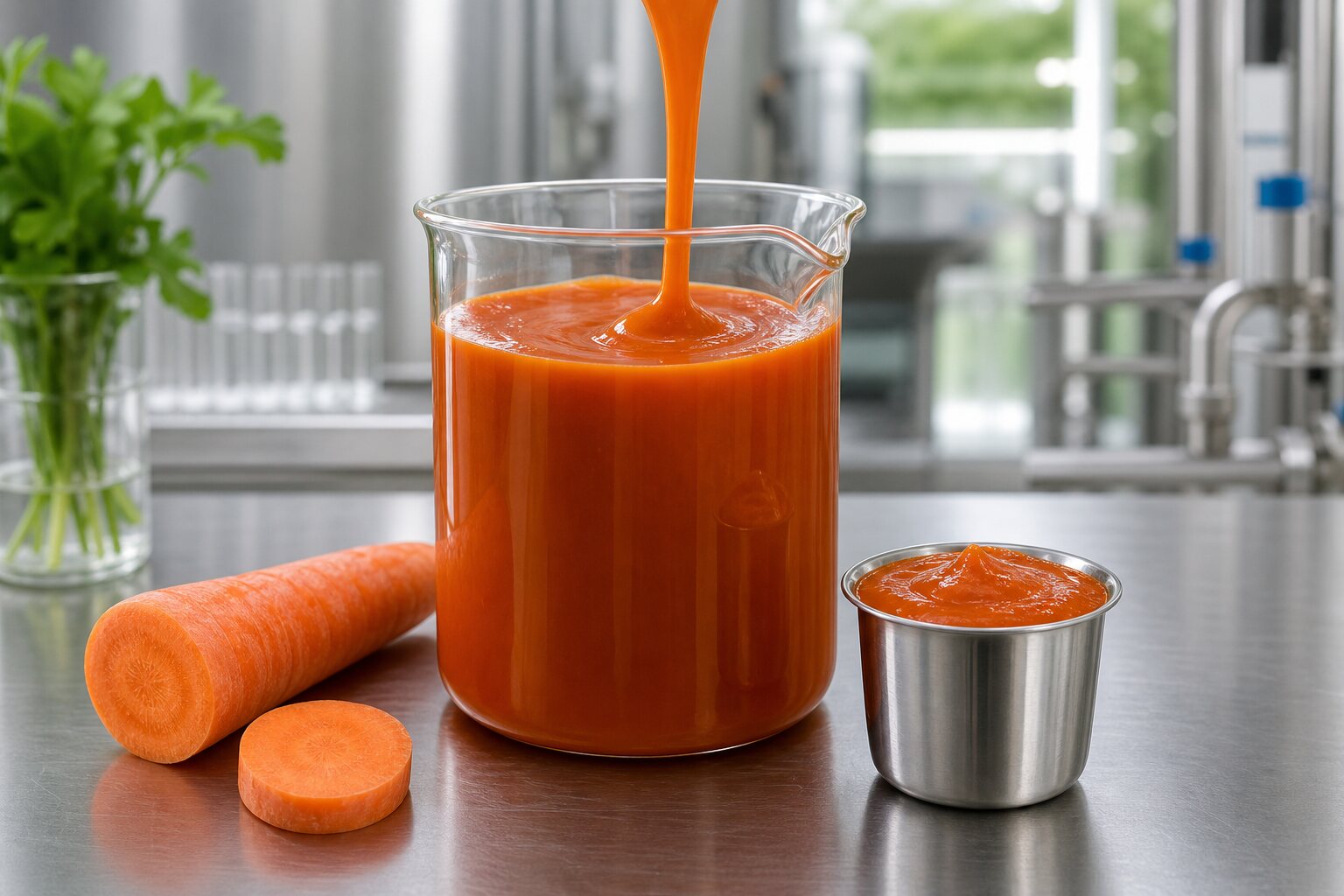
Representative ingredient visual; actual appearance may vary by specification and batch.
Supply Experience
Processed fruit ingredients since 2010
Facility Standards
ISO 9001 · ISO 22000 · HACCP
Buyer Support
Application, trial, and vendor review
Buyer Fit
This product is relevant for teams controlling the carrot contribution to appearance, taste, body, and blending—whether it leads the profile or supports it.
01
For vegetable drinks, fruit-vegetable blends, and wellness beverages reviewing colour, carrot note, sweetness, acidity, and compatibility with fruit or spice.
02
For savoury applications evaluating vegetable profile, colour contribution, body, seasoning balance, and response to cooking.
03
For buyers connecting trial results with dosage, production pattern, volume, packaging, documentation, and supplier evaluation.
Carrot concentrate can take a different position in each product. Decide whether carrot leads, supports colour, or helps connect a fruit-and-spice profile.
Test colour, carrot note, sweetness, acidity, and mouthfeel in the target formula and at its intended serving temperature.
Assess the balance of carrot with apple, pineapple, citrus, or other fruits so the blend has a clear sensory direction.
Review colour, vegetable flavour, body, seasoning, and the result after cooking.
Assess integration with spice, fat, starch, and other savoury components under relevant heating and storage conditions.
Technical Evaluation
Beverage and savoury criteria are not interchangeable. The protocol should separate colour, taste, body, and the position of carrot within the total product profile.
Assess colour at the actual dosage and in the real matrix, including relevant heating or storage, rather than from the neat concentrate alone.
Decide whether carrot should dominate, sit in balance, or remain in the background of a fruit, spice, or savoury blend.
Test interaction with fruit, ginger, spices, sweeteners, acidulants, and the other flavours defining the product.
Compare measured use levels to connect colour, taste, sweetness, acidity, and body with formulation efficiency.
Run the relevant pasteurising or cooking step and review changes in colour, aroma, taste, and matrix integration.
For soups and sauces, include seasoning balance, fat, starch, flow, and the way the vegetable note presents at consumption temperature.
From Brief to Procurement
The goal is to identify technical and commercial gaps before they slow down supplier approval or production planning.
01
Map the finished product, process, sensory target, and decision criteria.
02
Align the sample request with the intended test and evaluation method.
03
Review volume indication, packaging needs, supply pattern, and project timing.
04
Coordinate the documents or audit steps required by procurement and QA.
Commercial Readiness
State whether the project follows a beverage or savoury route and define carrot's role. This avoids judging the trial against the wrong criteria.
Describe the functional drink, fruit-vegetable blend, soup, sauce, or ready meal and the sensory positioning you want.
Prioritise colour contribution, carrot note, body, sweetness, acidity, and the fruit or spice components in the blend.
Share the starting use level, mixing, heat process, serving condition, panel method, and project stage.
Provide indicative volume, production pattern, packaging points to discuss, timing, destination, and document or audit requirements.
Questions buying and product-development teams commonly raise before a trial or commercial review.
Test measured dosages in the real formula and assess them with sweetness, acidity, fruit, and spice. Decide whether carrot should lead, balance, or remain in the background.
Yes. Include seasoning, fat, starch, cooking, and consumption temperature so colour, taste, body, and vegetable profile are assessed in context.
Assess it in the actual matrix and at the intended dosage after the planned process and storage. Neat-concentrate colour does not represent the finished product.
Define the lead fruit, acidity and sweetness target, role of the carrot note, colour, mouthfeel, and sensory direction. Use measured blends so each component has a purpose.
Share the product category, base formula, role of carrot, dosage range, process, acceptance criteria, project stage, and indicative commercial requirement.
Provide the document list, audit need, approval timing, and procurement or QA stakeholders so the relevant support can be confirmed early.
Compare other fruit formats against your formulation or service workflow.
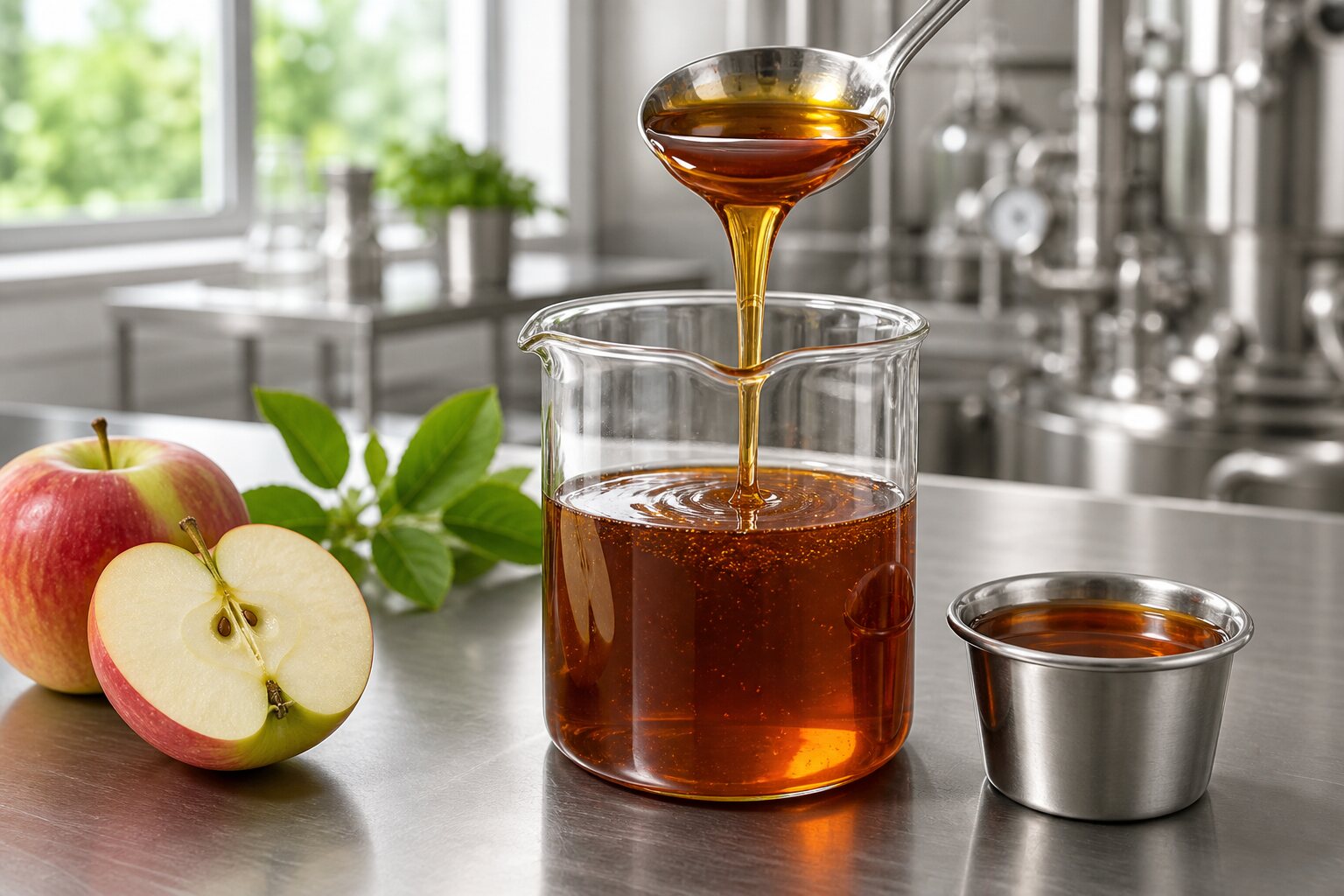
Apple concentrate for beverage, fruit-blend, sauce, glaze, and bakery development with application-led review of dosage, sweetness-acidity, apple intensity, process, yield, and formula efficiency.
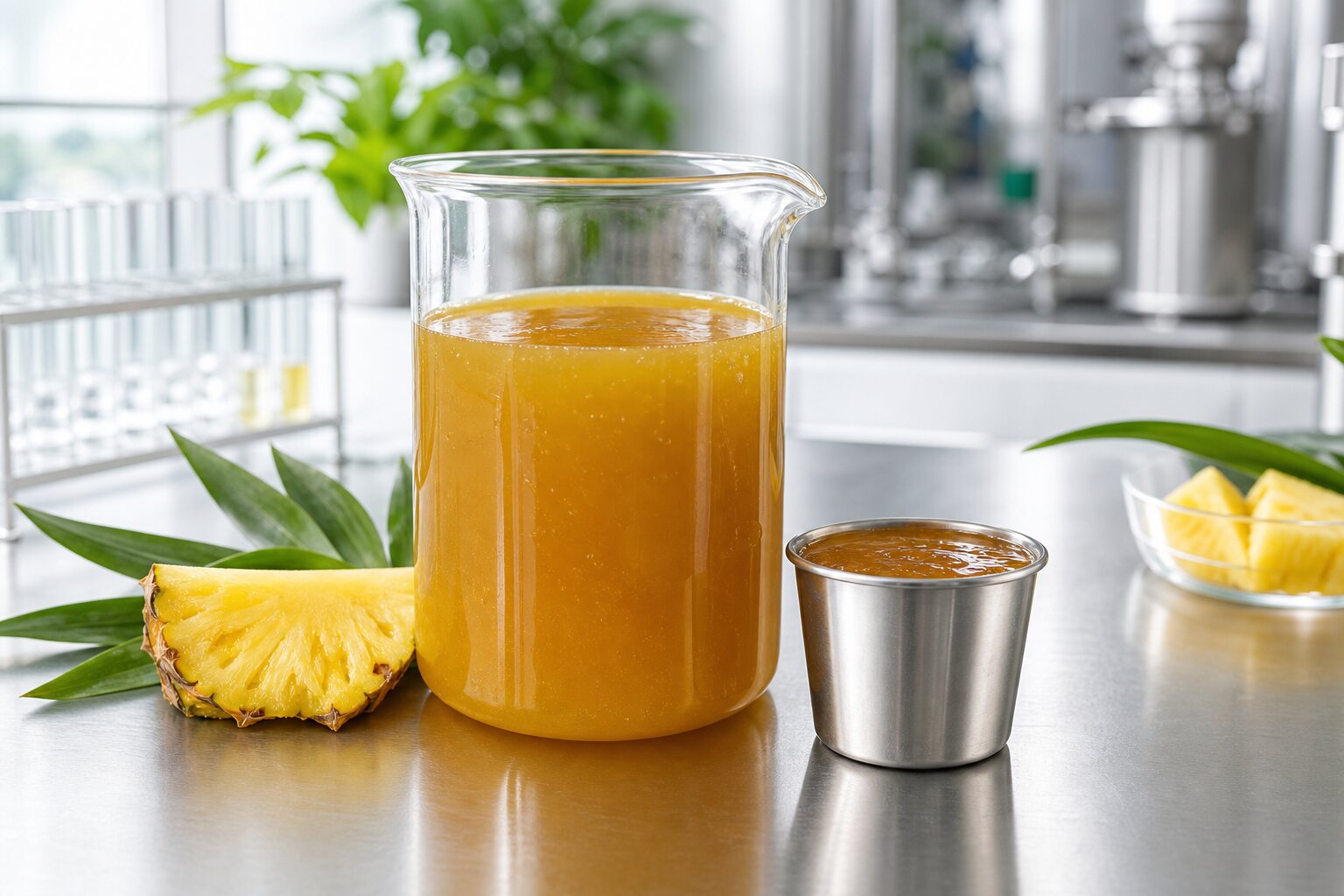
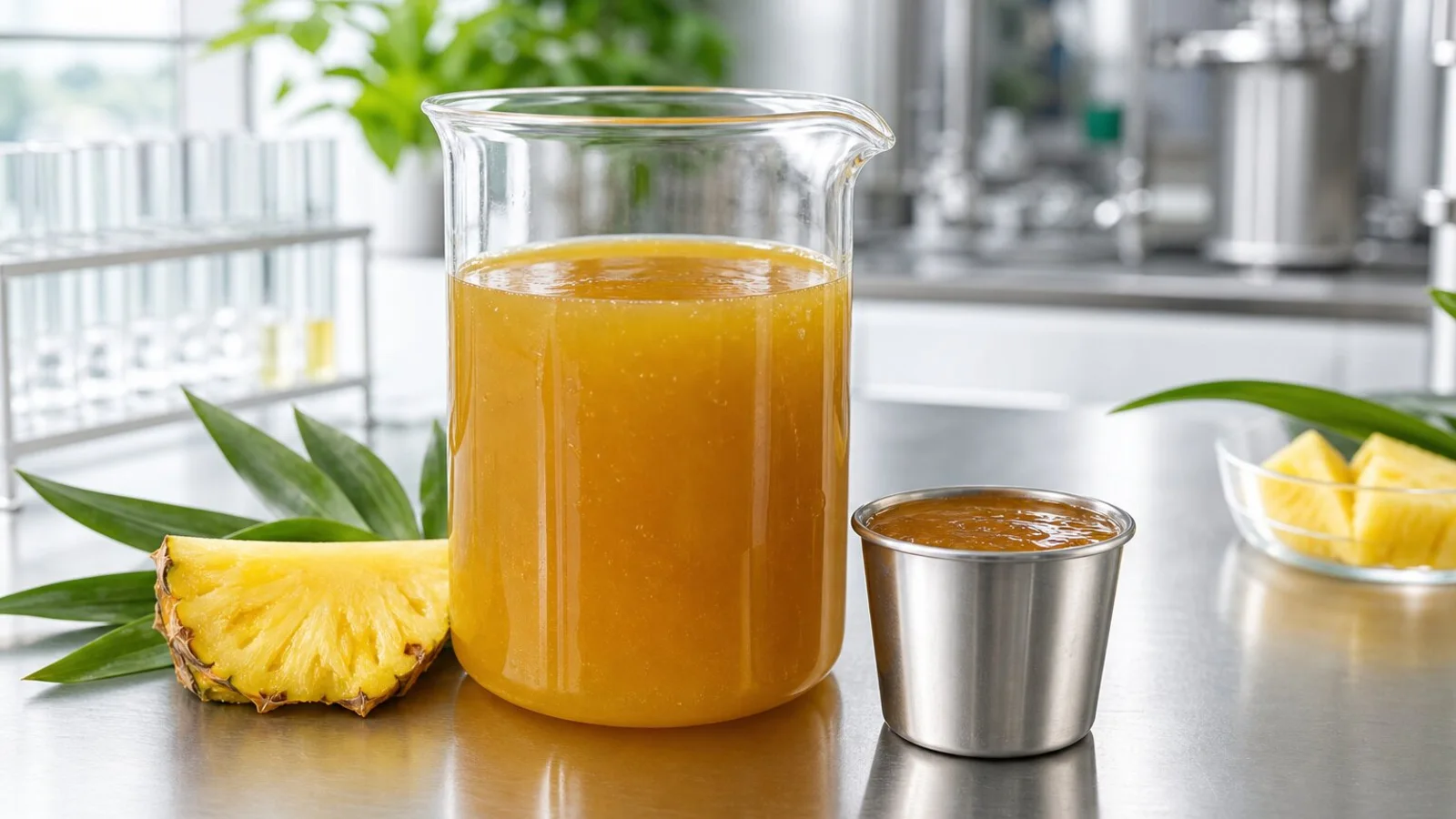
Pineapple concentrate for beverage, sauce, dressing, glaze, bakery, and fruit-blend development with application-led review of dosage, sweet-tart balance, process, and formula efficiency.
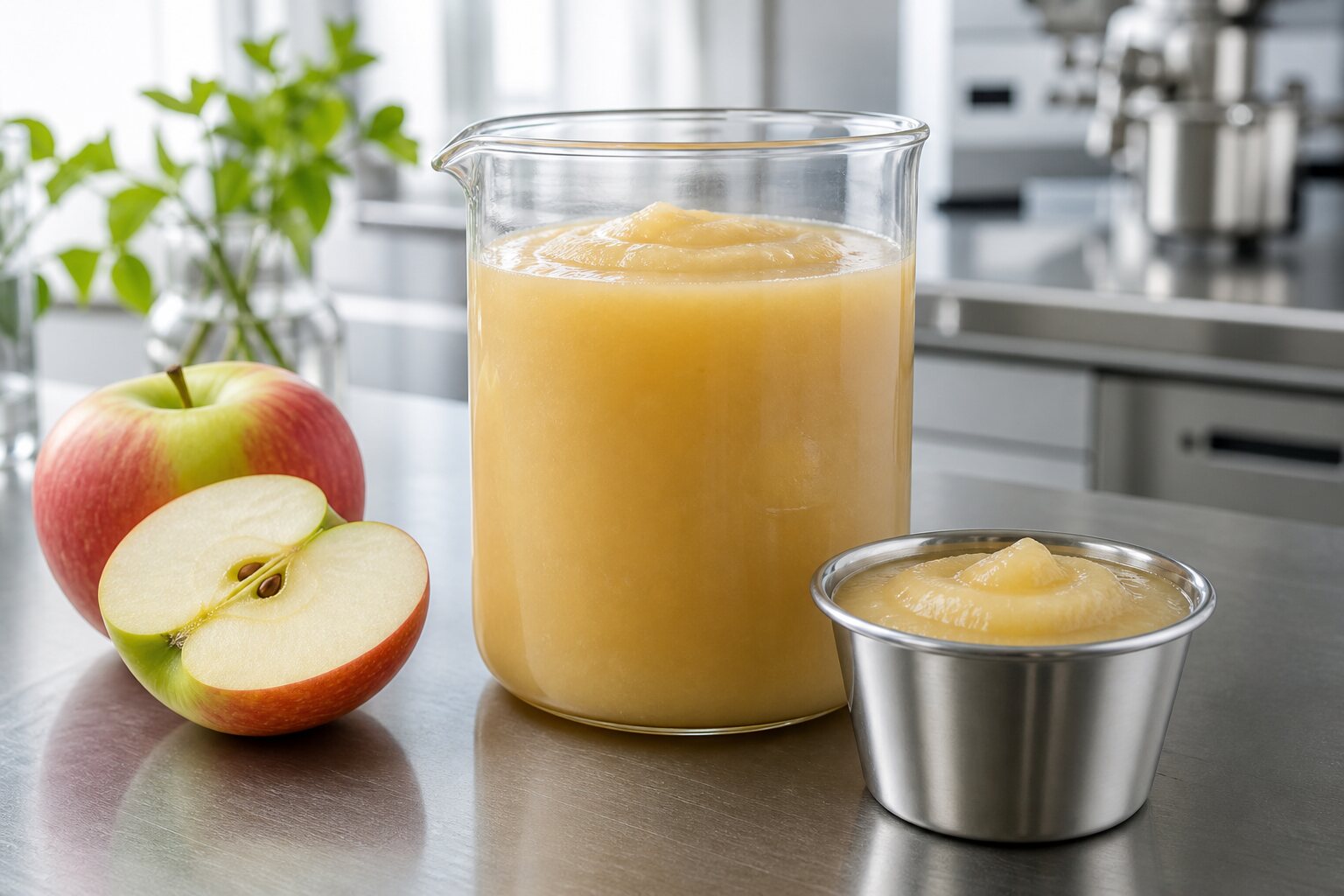
Apple puree for beverage, dairy, bakery, sauce, and fruit-blend development with application-led review of fruit base, body, mouthfeel, blendability, process, and vendor needs.
Continue with application and supplier-evaluation guidance relevant to this ingredient.
Fruit concentrate for beverages, sauces, bakery, and food service products that need stronger fruit flavor in a more efficient format.
Pineapple concentrate for beverages, tea blends, mocktail bases, and tropical drinks that need clear pineapple flavor in a practical format.
Fruit concentrate for sauces, dressings, marinades, glazes, and savory applications that need clear fruit flavor in a more efficient ingredient format.
Knowledge Base
Use these educational guides to build a clearer ingredient and quality brief.
Share the product concept, colour and carrot-note role, blend, process, and dosage range to build the right trial.
Interested in acquiring tsamarot.com? Contact us on WhatsApp for more information.
Contact via WhatsApp