01
Beverage Formulators
For juice drinks, RTDs, syrups, and blended beverages that need to review pineapple intensity, dilution, acidity, and its position among other ingredients.
The value of pineapple concentrate is not simply how strong it tastes; it is how effectively it reaches the formulation target at a workable dosage. Tsamarot focuses the discussion on sweet-tart balance, intensity after dilution, process impact, and usage efficiency.
Your brief is reviewed by application, trial stage, volume indication, and vendor requirements.
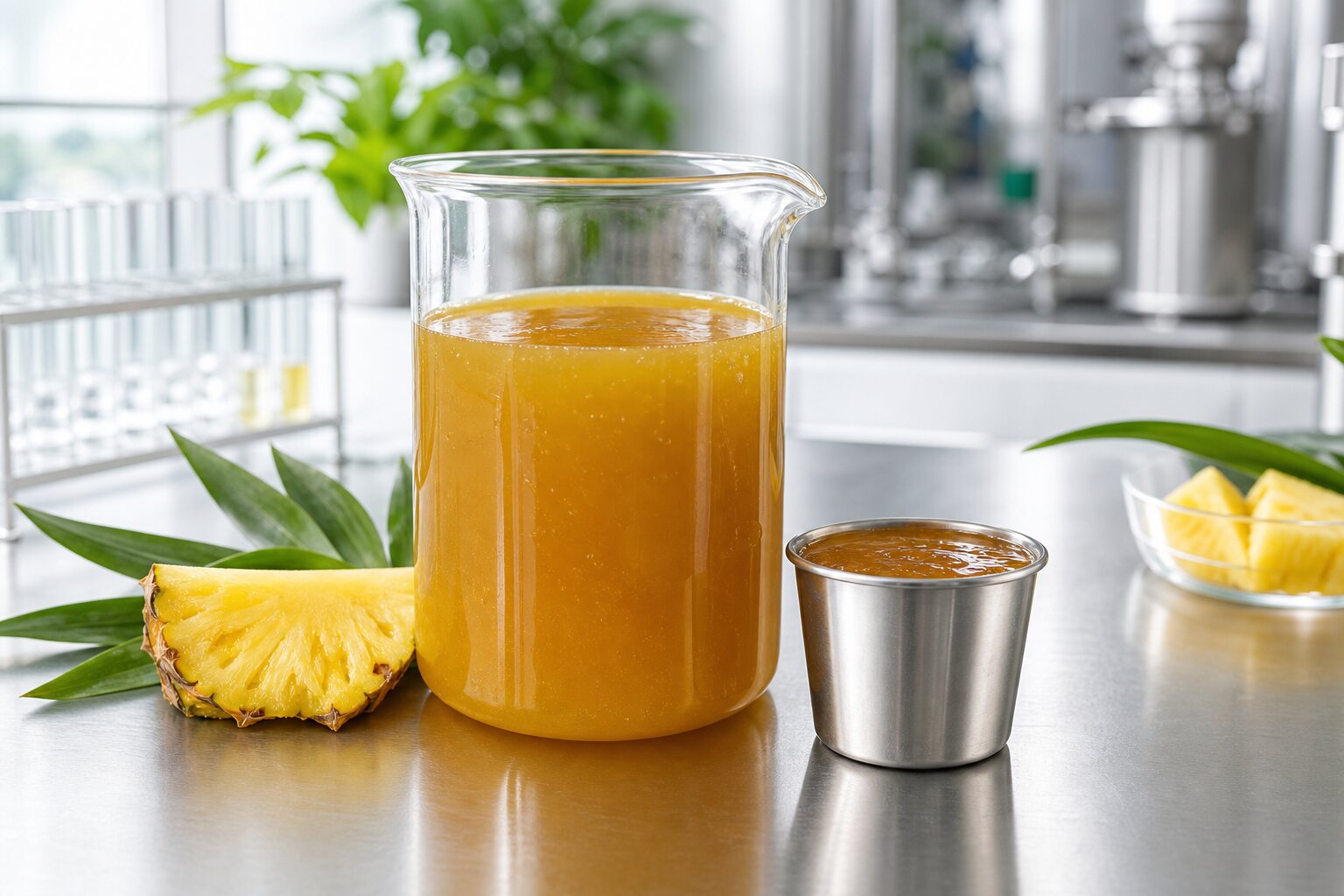
Representative ingredient visual; actual appearance may vary by specification and batch.
Supply Experience
Processed fruit ingredients since 2010
Facility Standards
ISO 9001 · ISO 22000 · HACCP
Buyer Support
Application, trial, and vendor review
Buyer Fit
Pineapple concentrate becomes relevant when a team must control fruit intensity and taste balance while accounting for processing, formula yield, and commercial implications.
01
For juice drinks, RTDs, syrups, and blended beverages that need to review pineapple intensity, dilution, acidity, and its position among other ingredients.
02
For sweet-sour sauces, dressings, marinades, and glazes where pineapple must work with sugar, acids, spices, and the intended heat process.
03
For filling or glaze applications and buying teams comparing dosage, application performance, volume requirements, and supplier readiness.
Define its job before the trial: lead pineapple identity, sweet-tart lift, a component in a fruit blend, or a flavour layer in a savoury application.
Test after dilution to establish intensity, dosage, sweetness, acidity, and how pineapple character responds to the beverage process.
Assess its contribution to sweet-sour balance, body, and integration with seasonings in sauces, dressings, and marinades.
Review pineapple flavour, colour, flow, and heat impact when used in fillings, glazes, or bakery preparations.
Use measured formulas and panel feedback to determine whether pineapple leads, adds brightness, or supports another fruit.
Technical Evaluation
A strong trial does not search for one universal number. It identifies a use level that meets sensory and technical goals at an acceptable formulation efficiency.
Judge flavour and aroma at the actual dilution and serving condition so concentrate strength can be translated into commercial use.
Review sweetness and acidity alongside sugar, acidulants, other fruits, and any savoury components in the formula.
Compare several measured use levels to find where pineapple is clearly expressed without disturbing the intended product balance.
Where the process includes pasteurising, cooking, or baking, run the concentrate through those stages and record relevant sensory changes.
Observe solubility, mixing, addition order, and any contribution to body or flow in the actual matrix.
Connect sensory performance with dosage, batch yield, and in-product cost; pack price alone does not show finished-product efficiency.
From Brief to Procurement
The goal is to identify technical and commercial gaps before they slow down supplier approval or production planning.
01
Map the finished product, process, sensory target, and decision criteria.
02
Align the sample request with the intended test and evaluation method.
03
Review volume indication, packaging needs, supply pattern, and project timing.
04
Coordinate the documents or audit steps required by procurement and QA.
Commercial Readiness
An application brief separates technical requirements from assumptions, giving the trial and commercial discussion a common target.
Explain whether the product is a beverage, syrup, sauce, dressing, glaze, filling, or fruit blend and identify the main interacting ingredients.
Share the desired pineapple intensity, sweet-tart direction, sensory target, and the use levels you want to compare.
Include dilution, mixing, heat, serving temperature, storage, and how the R&D team or panel will decide.
Provide indicative volume, production pattern, packaging needs, timeline, and supplier document or audit requirements.
Questions buying and product-development teams commonly raise before a trial or commercial review.
Start with several measured use levels in the actual formula. Compare pineapple intensity, sweetness, acidity, body, and performance after processing before choosing the commercial dosage.
Pineapple concentrate can be discussed for sauces, dressings, marinades, and glazes. It should be tested with the relevant sugar, acid, spice, oil, and heat system.
Efficiency combines sensory and technical performance at a given use level, batch yield, and finished-product cost rather than looking only at the price per pack.
Yes, when commercial production includes pasteurising, cooking, or baking. Heat-related effects on aroma, flavour, colour, and formula balance should be reviewed under representative conditions.
Share the application, base formula, trial objective, dosage range, process, project stage, and indicative volume if the evaluation is approved.
Explain the procurement or QA qualification process, the documents required, and whether an audit is anticipated. The team can then confirm the relevant support.
Compare other fruit formats against your formulation or service workflow.
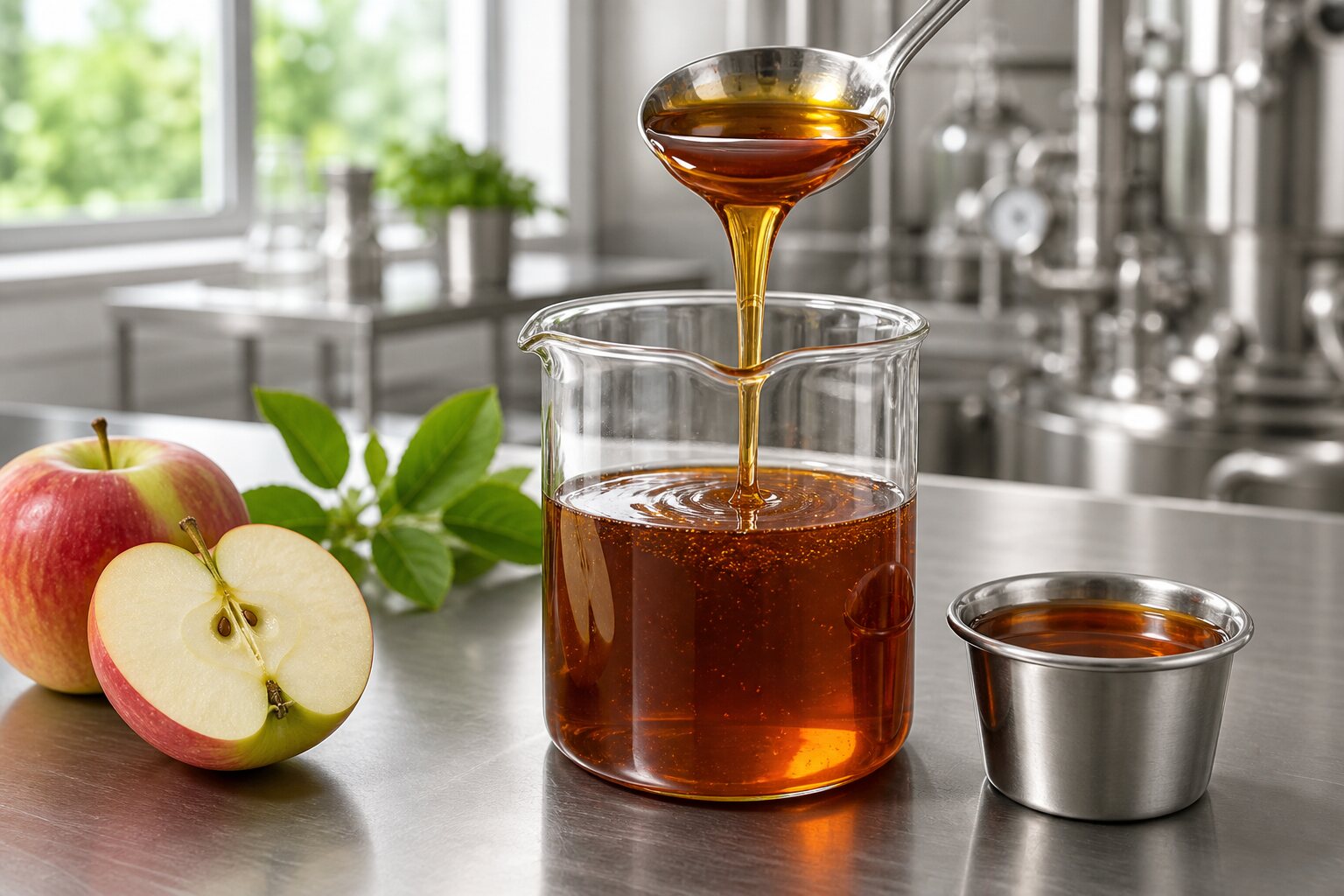
Apple concentrate for beverage, fruit-blend, sauce, glaze, and bakery development with application-led review of dosage, sweetness-acidity, apple intensity, process, yield, and formula efficiency.
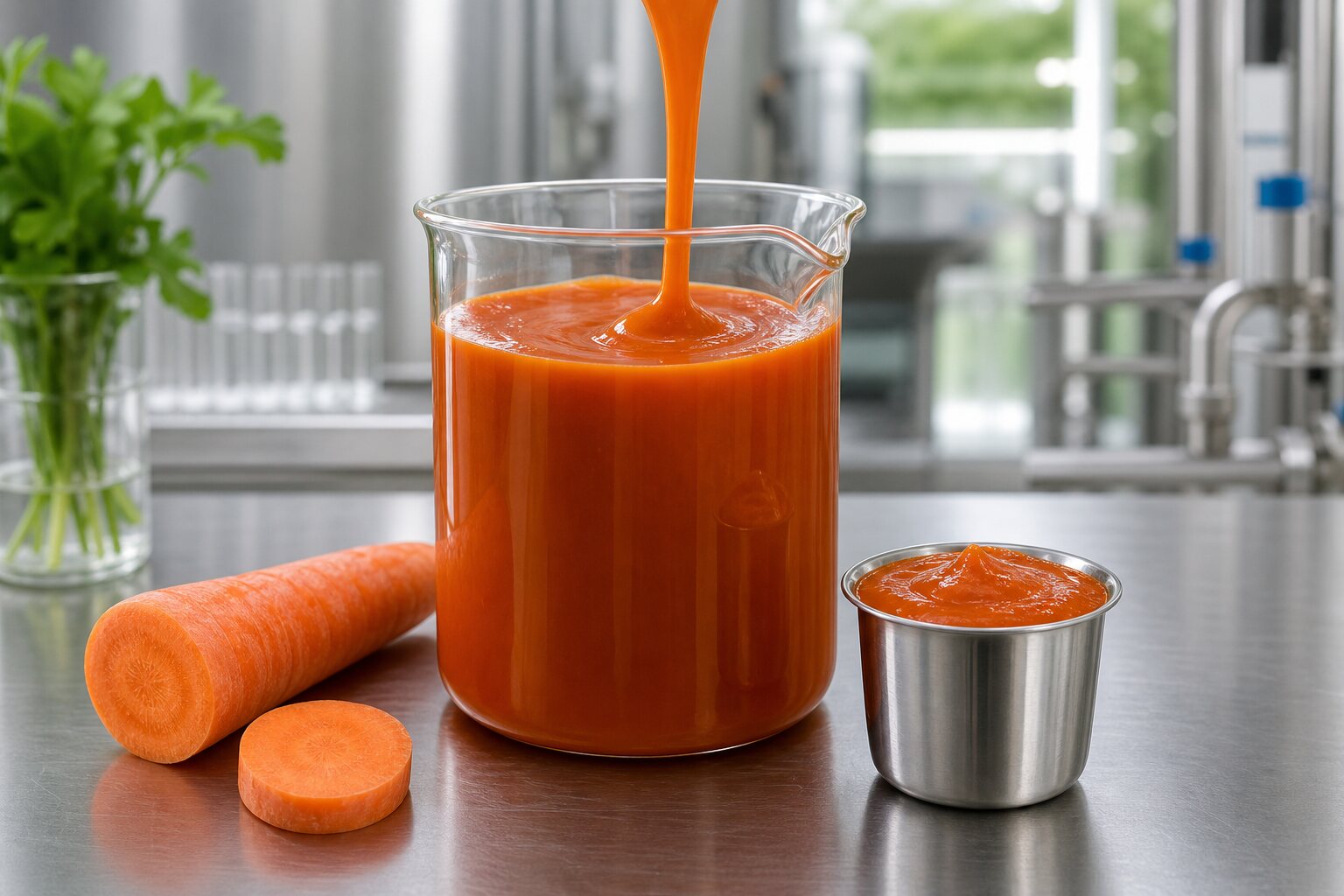
Carrot concentrate for functional beverage, fruit-vegetable blend, soup, sauce, and ready-meal development with application-led review of colour, vegetable character, blending, dosage, and process.
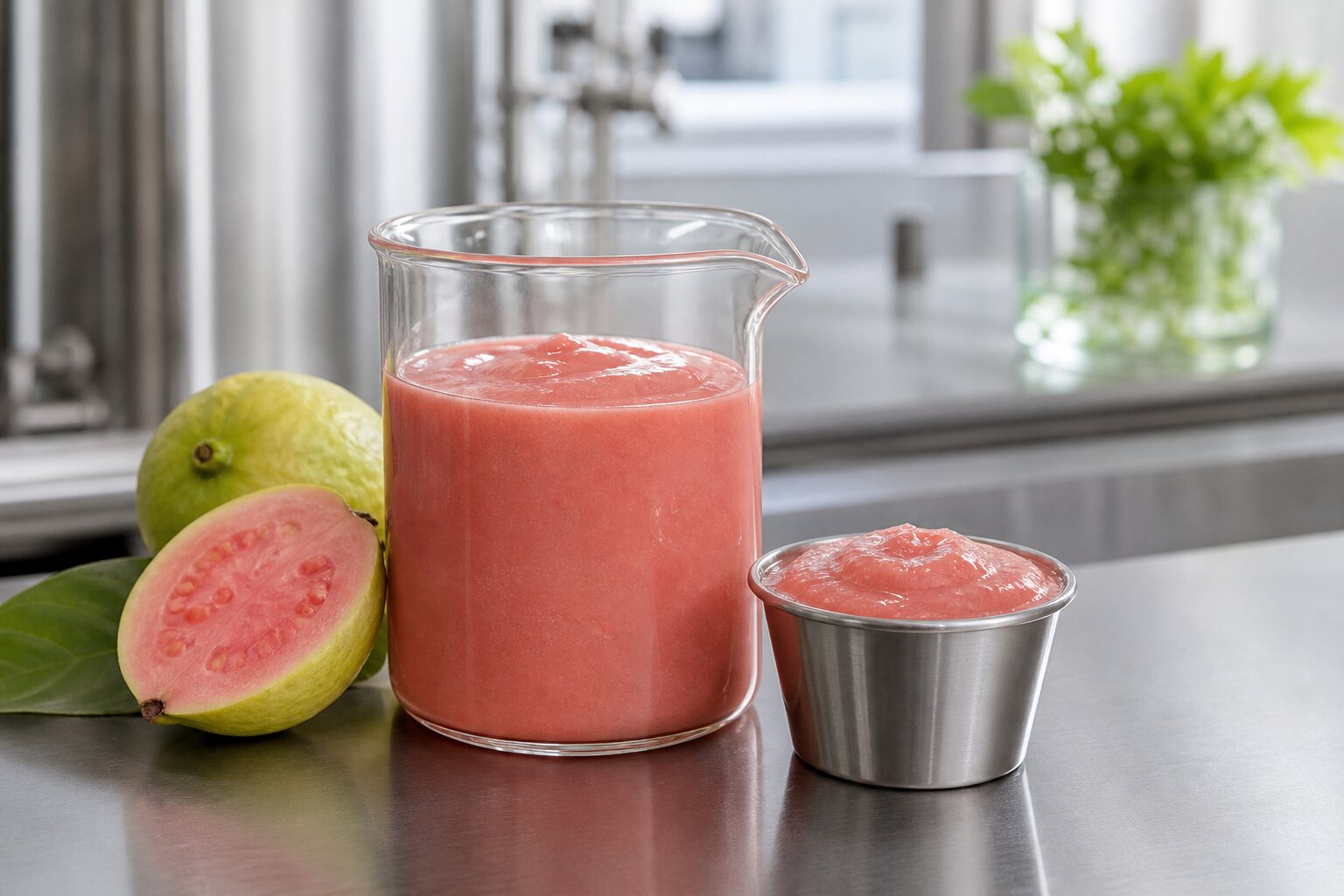
Guava puree for RTD beverage, dairy, bakery, dessert, and beverage-service development with application-led review of flavour, body, process, and vendor needs.
Continue with application and supplier-evaluation guidance relevant to this ingredient.
Fruit concentrate for beverages, sauces, bakery, and food service products that need stronger fruit flavor in a more efficient format.
F&B ingredient supplier with ISO 22000 and HACCP standards, offering puree, concentrate, and frozen fruit for food and beverage production.
Pineapple concentrate for beverages, tea blends, mocktail bases, and tropical drinks that need clear pineapple flavor in a practical format.
Fruit concentrate for sauces, dressings, marinades, glazes, and savory applications that need clear fruit flavor in a more efficient ingredient format.
Knowledge Base
Use these educational guides to build a clearer ingredient and quality brief.
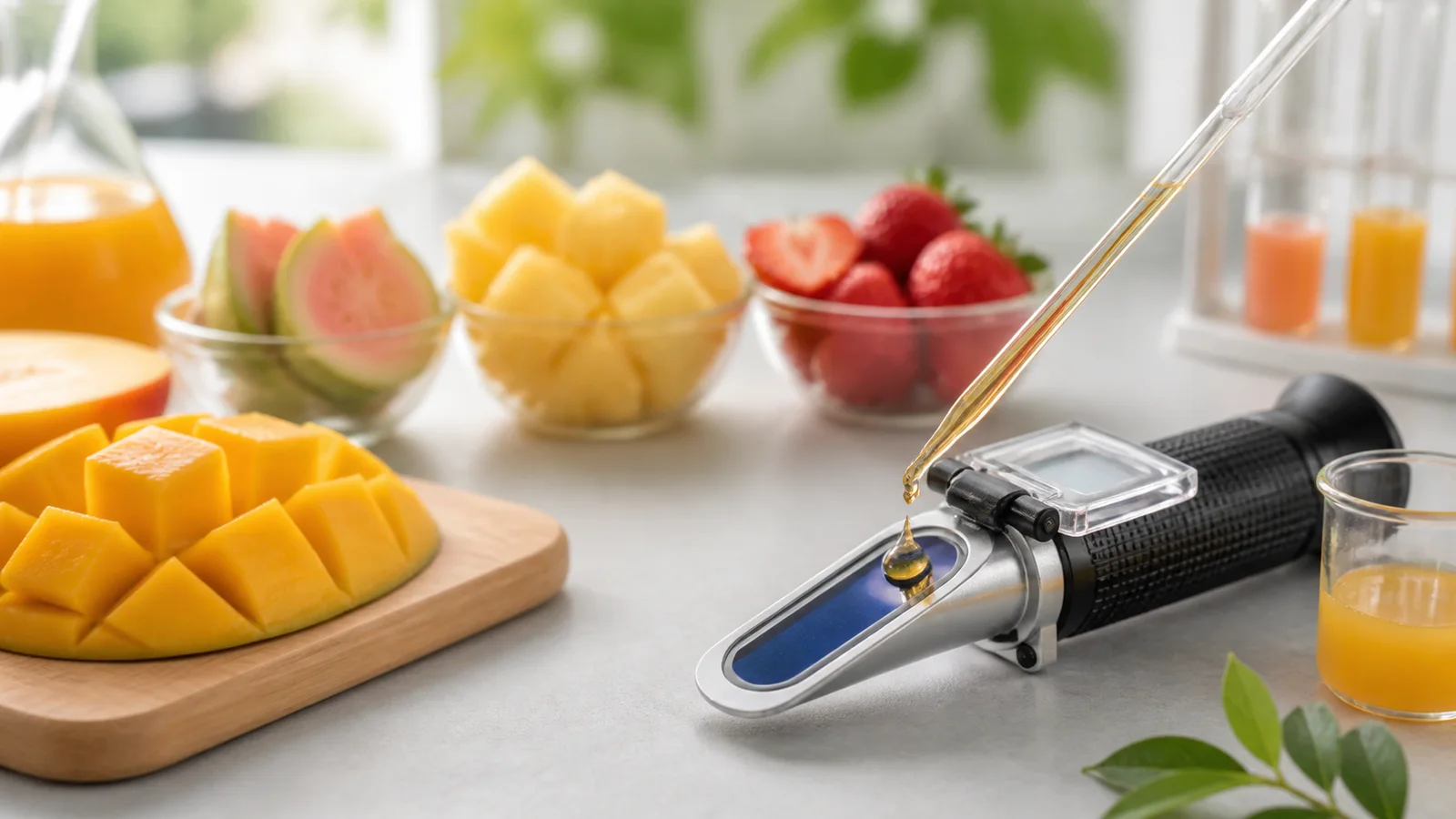
Quality control
Understand degrees Brix, refractometer use, temperature and matrix effects, and why Brix is not always an exact measure of sugar content.
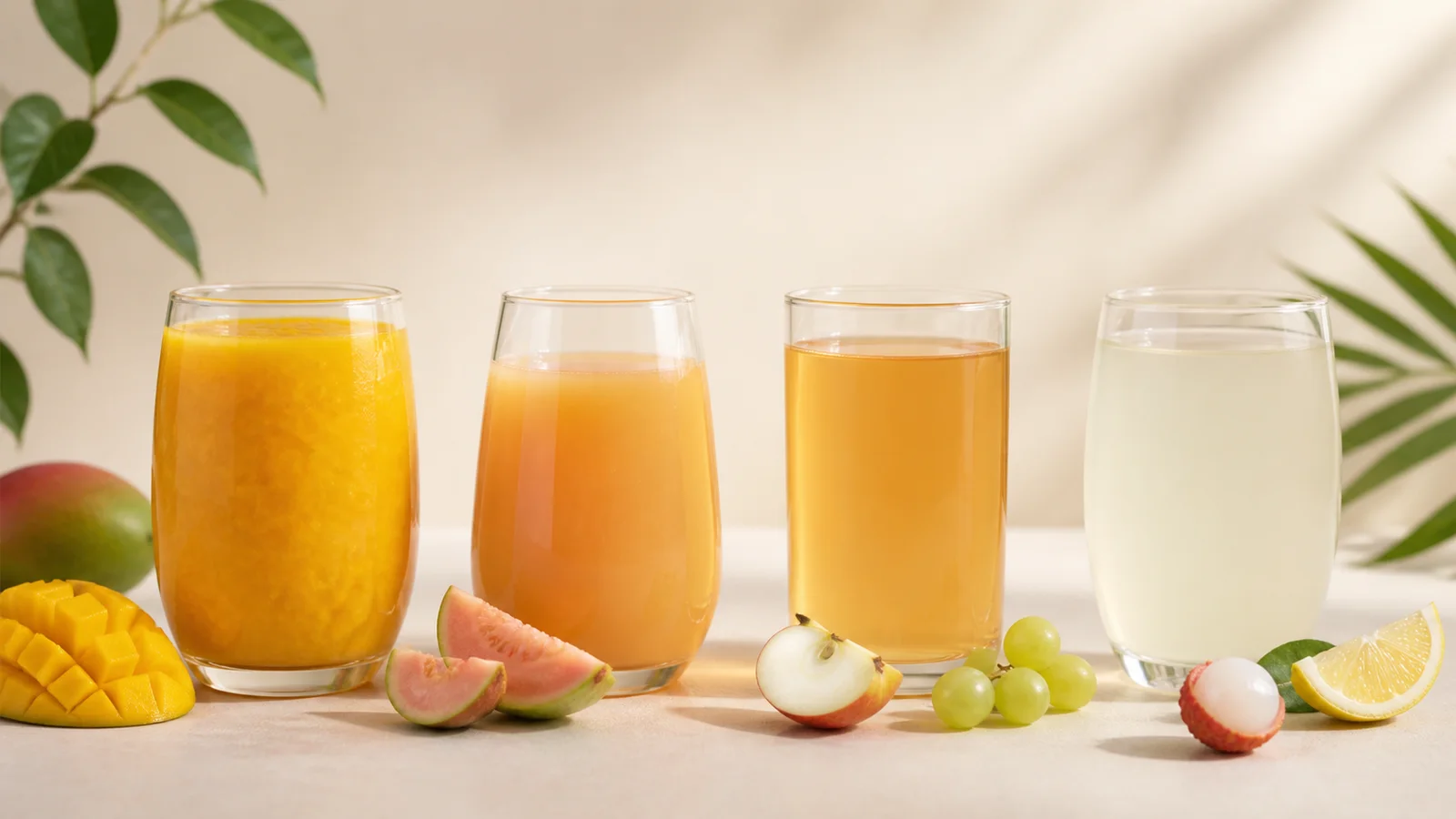
Regulation and formulation
A practical starting guide to juice, nectar, juice drink, and fruit-flavored beverage categories in Indonesia before formula and label approval.
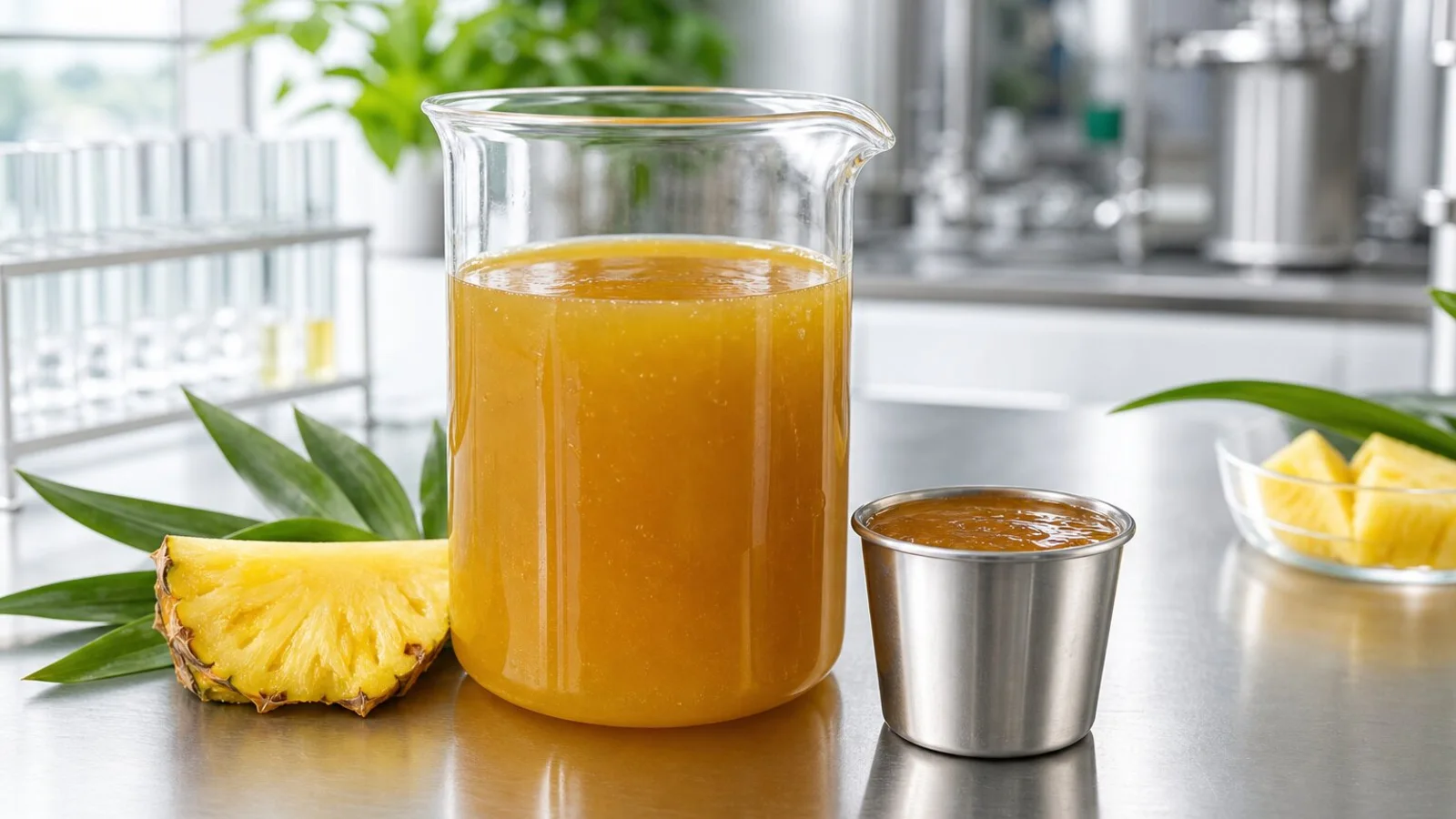
Formulation fundamentals
Compare fruit concentrate and syrup by ingredient identity, Brix, flavor, dosage, labeling implications, and fit for an F&B formula.
Share the application, sweet-tart target, process, and dosage range you want to test to begin a focused technical and commercial review.
Interested in acquiring tsamarot.com? Contact us on WhatsApp for more information.
Contact via WhatsApp