01
Ingredient fundamentals
Understand puree, concentrate, Brix, and beverage-category language before comparing product specifications.
Tsamarot Knowledge Base
Educational references for R&D, quality, procurement, food service, and supply-chain teams. Start with ingredient fundamentals, then move to quality measures, frozen handling, and supplier evaluation.
01
Understand puree, concentrate, Brix, and beverage-category language before comparing product specifications.
02
Connect IQF, thawing, texture, storage, and cold-chain controls to the real operating workflow.
03
Review HACCP, ISO 22000, COAs, traceability, technical fit, and ongoing supplier performance.
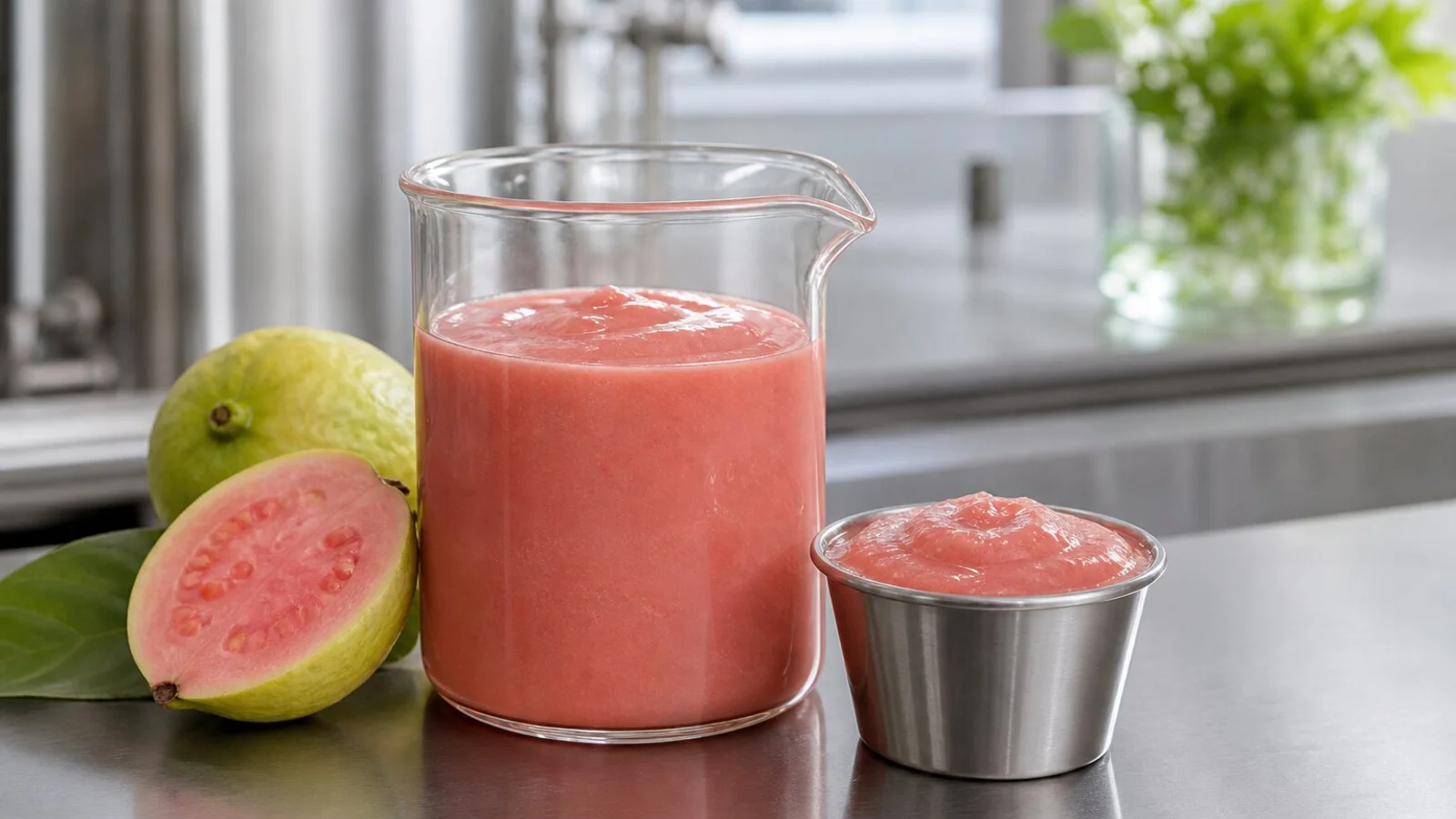
Fruit puree retains edible fruit material in a crushed, pulped, or sieved form. It should not be treated as a synonym for juice, pulp, or concentrate: each format contributes a different balance of fruit character, body, mouthfeel, storage demand, and processing behavior.
Read guide →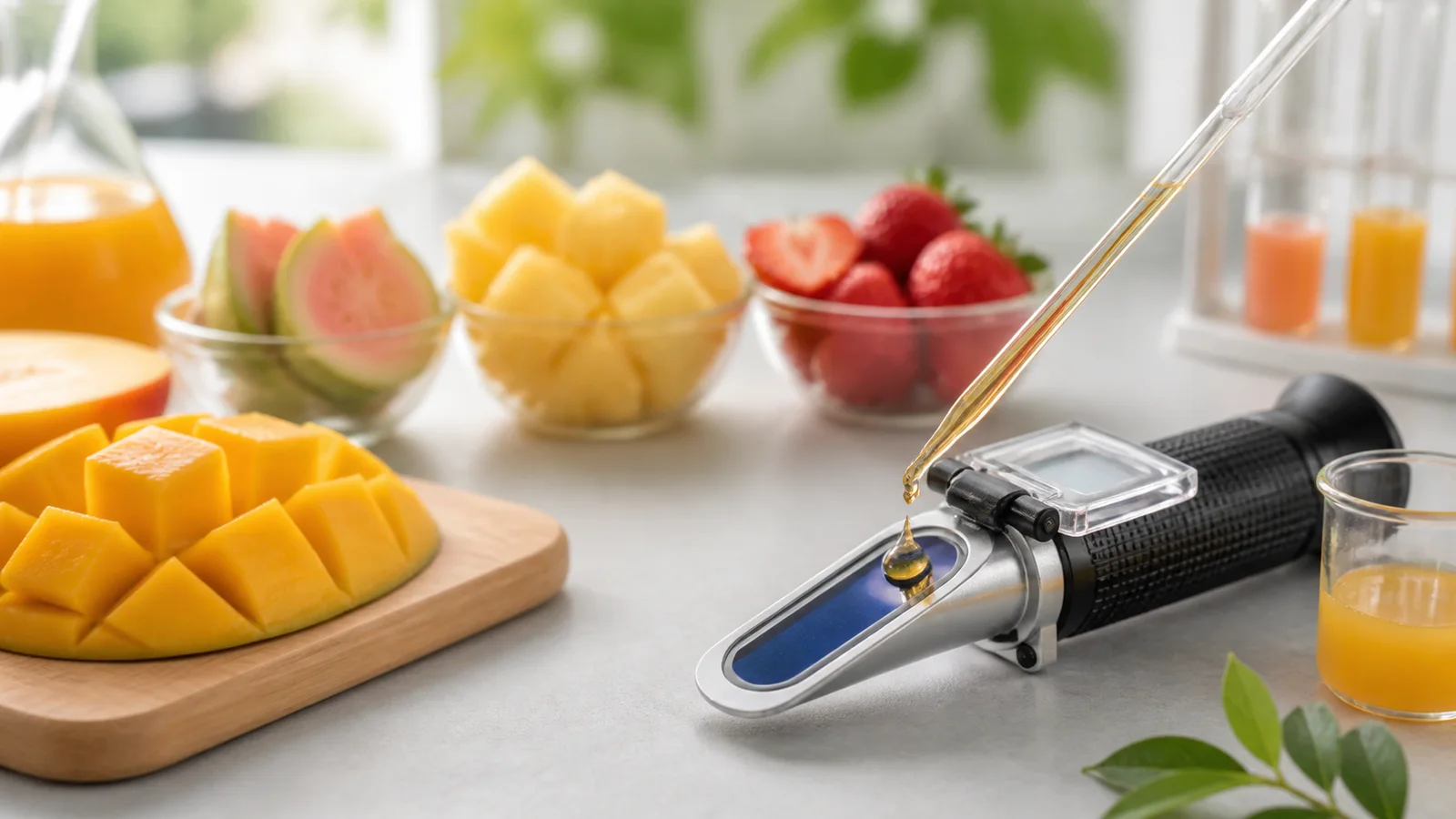
Brix is often the first number reviewed when comparing juice, puree, or concentrate. It is a practical refractometric indicator of soluble solids, but in a complex fruit matrix it should not automatically be treated as a precise measurement of sugar content.
Read guide →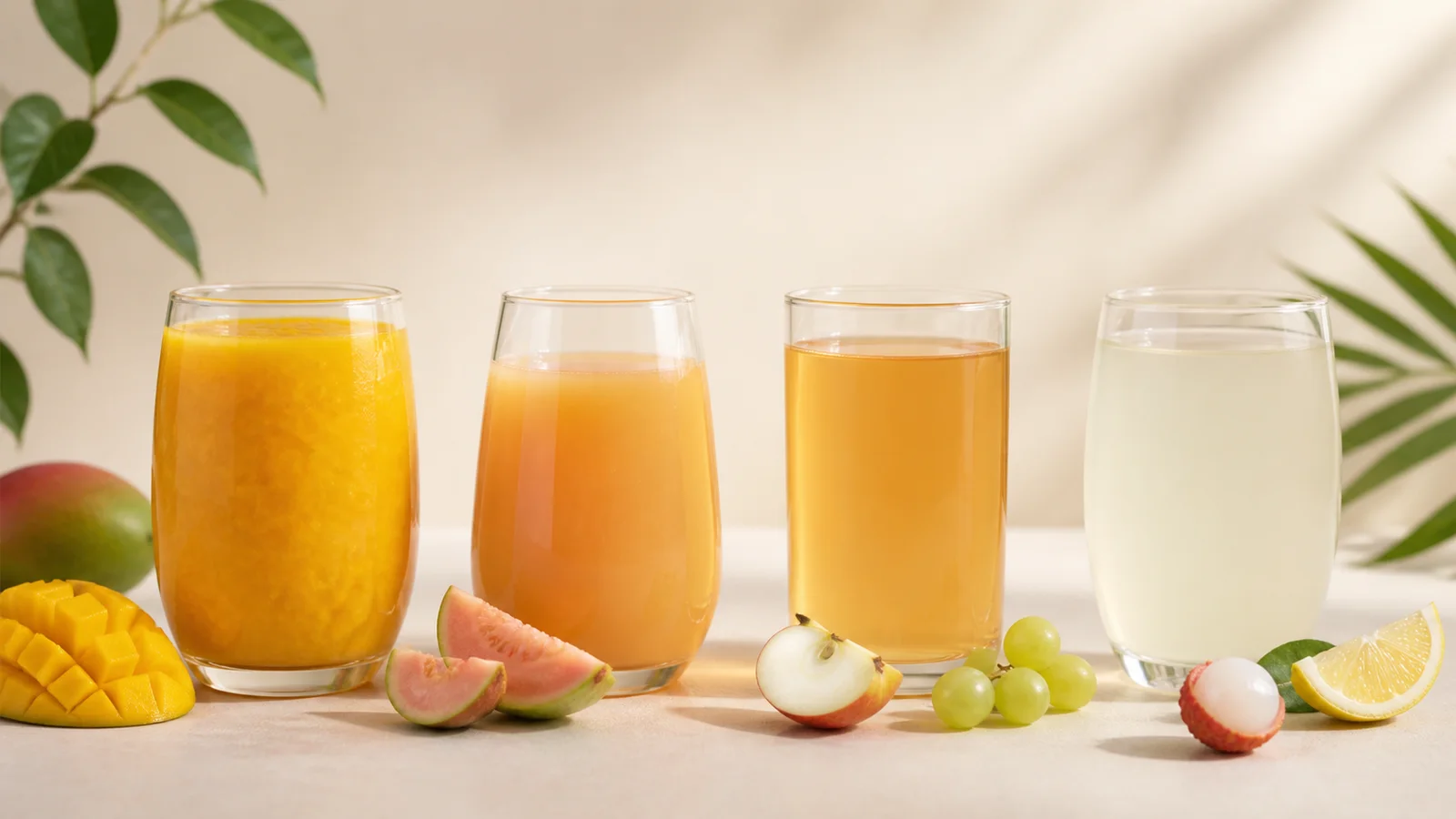
Similar-sounding names can point to different food categories, compositions, and labeling expectations. Before R&D locks a formula or marketing selects a product name, the team should review the applicable Indonesian category and test it against the actual composition.
Read guide →
IQF stands for Individually Quick Frozen. In practical use it describes pieces frozen rapidly enough to remain separate, allowing a user to portion part of a pack instead of thawing one large block. The label alone does not guarantee size, pack condition, or quality at receipt.
Read guide →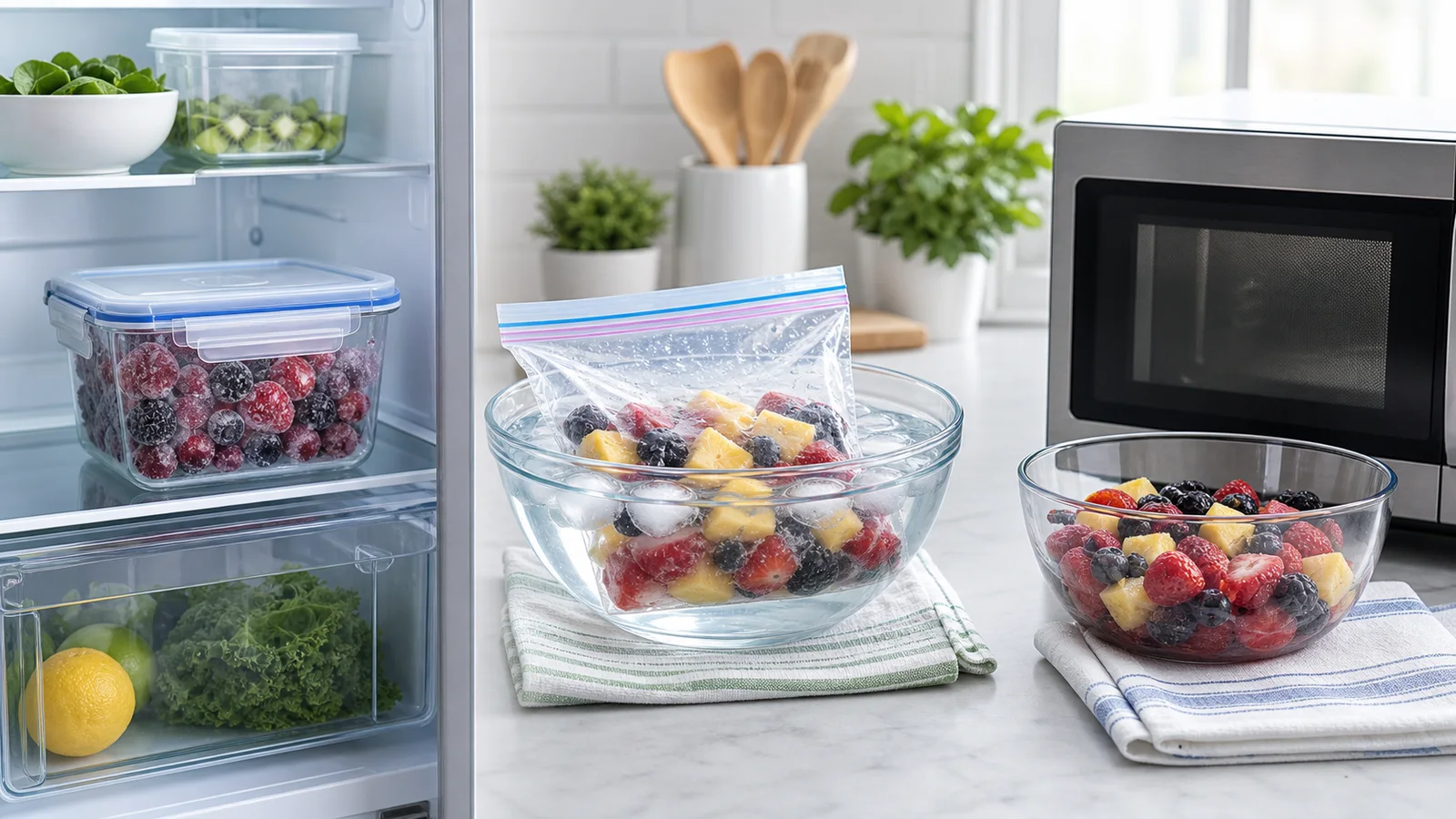
Thawing moves frozen fruit from storage condition to a state ready for processing or service. The method affects time, drip loss, texture, and food safety. Leaving a pack at room temperature for hours is not a controlled workflow.
Read guide →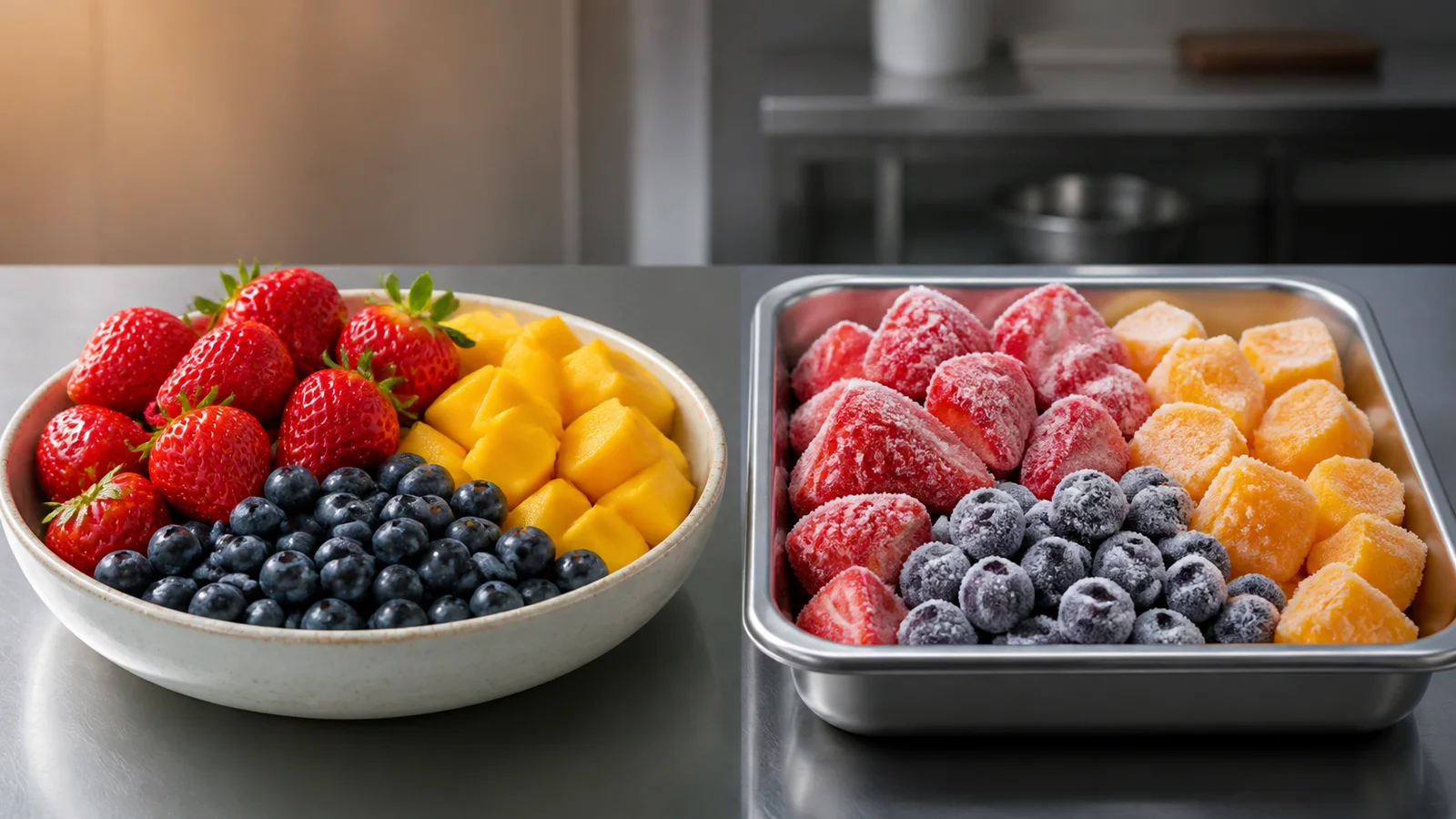
The correct format depends on the intended result and the operating model. Fresh fruit creates a particular experience where appearance and bite are critical; frozen fruit can support availability, portioning, and standardization. Both require controlled specifications and handling.
Read guide →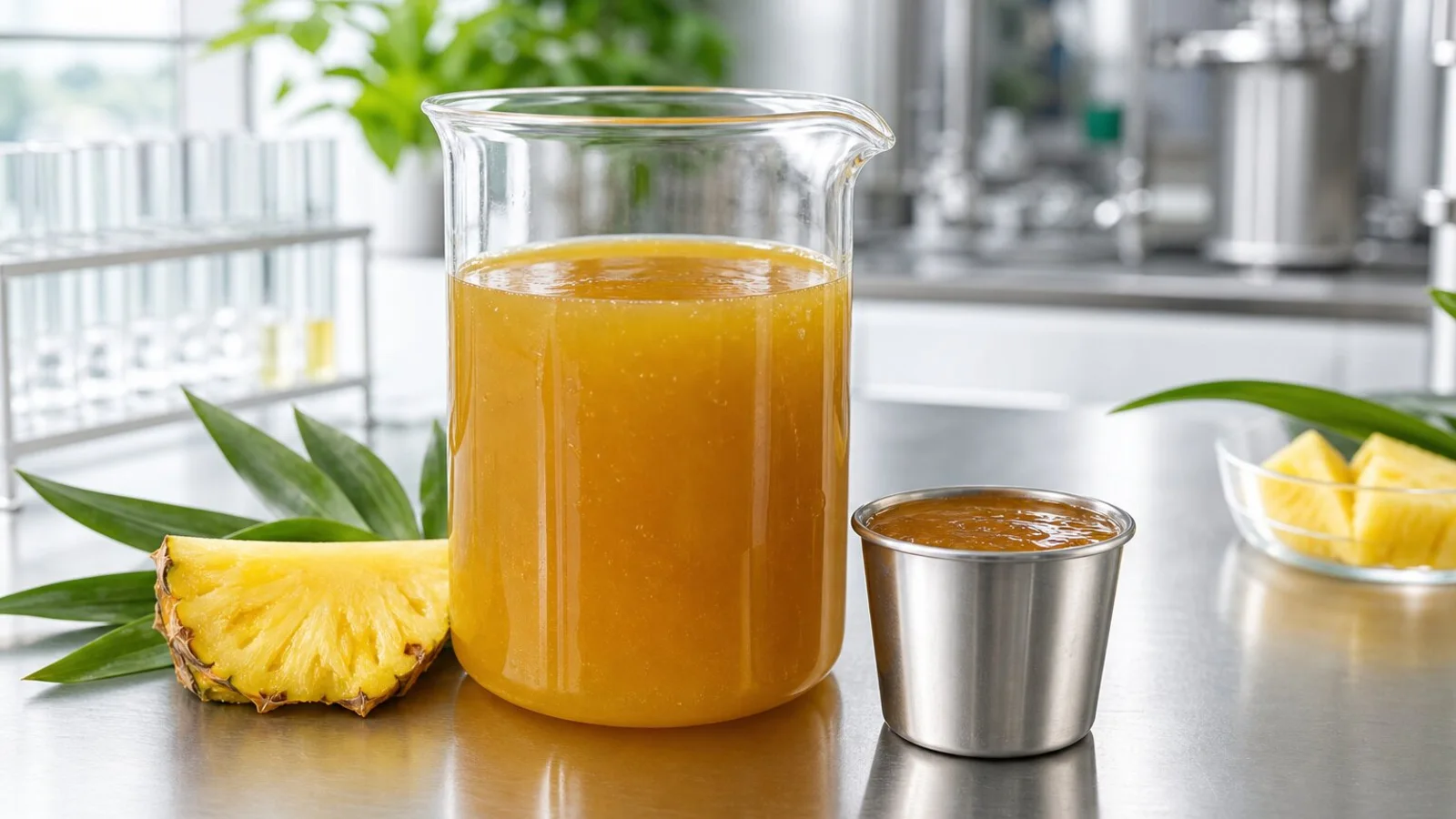
Both may look thick and sweet, but their identity and formulation role differ. Fruit concentrate comes from fruit material from which water has been removed; syrup is a liquid system based on sweetener and may carry flavor, color, acid, stabilizer, or other components.
Read guide →
A frozen product moves through storage, loading, transport, receiving, and use. Failure at one handoff can affect temperature history, clumping, drip, texture, and the basis of shelf life. Every stage therefore needs an owner, limit, evidence, and escalation path.
Read guide →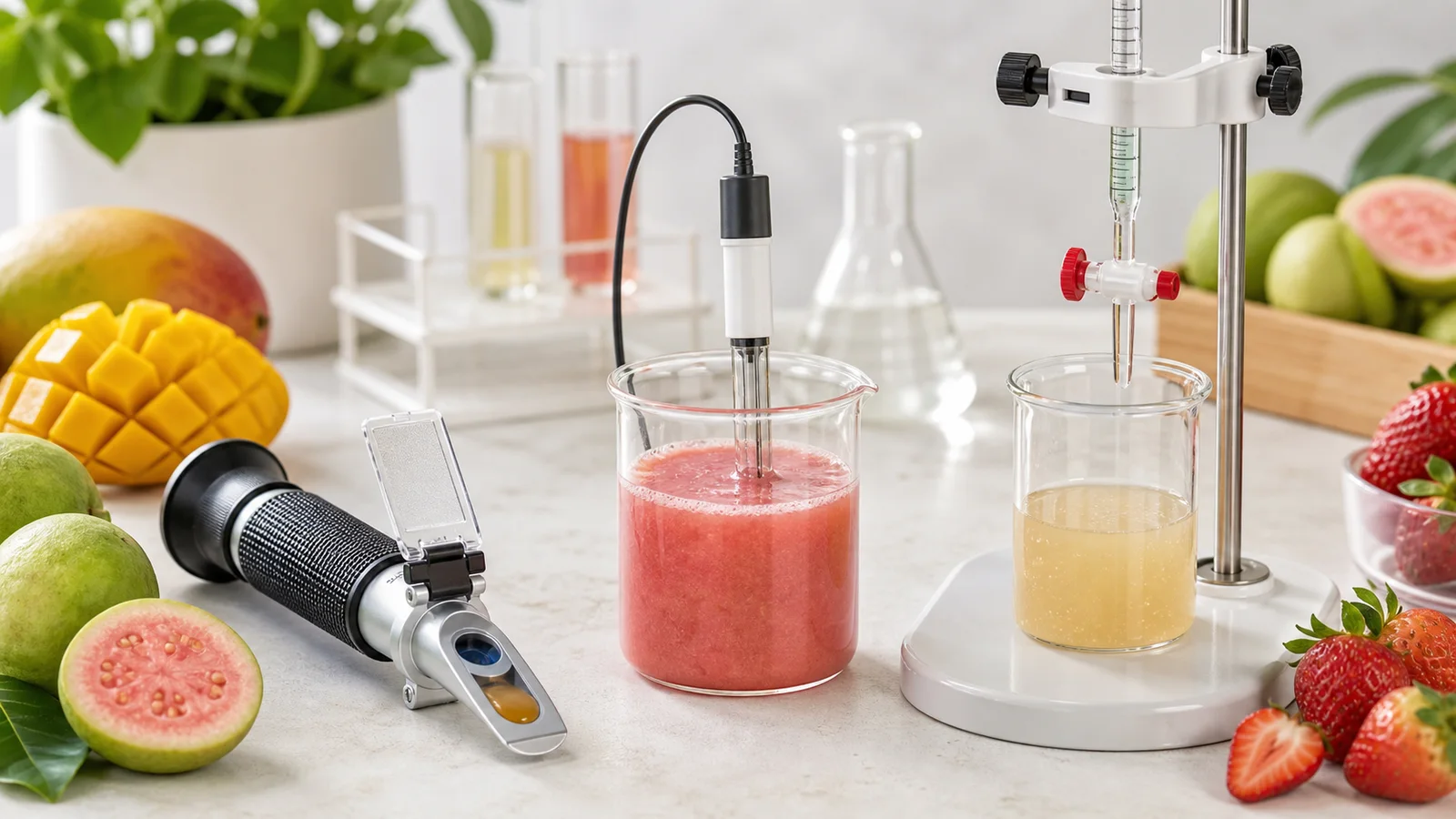
These three values frequently appear in fruit-ingredient specifications and COAs. Brix indicates soluble solids refractometrically, pH describes acid-base intensity, and total acidity measures titratable acid under a defined method. They complement rather than replace one another.
Read guide →
HACCP provides a systematic approach to identifying, evaluating, and controlling food-safety hazards. ISO 22000 is a food-safety management-system standard that integrates HACCP principles with management requirements, communication, prerequisite programs, and continual improvement.
Read guide →
A Certificate of Analysis summarizes testing or conformance for a defined lot. It is useful when identity, lot, parameter, limit, result, unit, method, and authorization can be read and linked to the correct product. Without context, a COA does not prove every aspect of quality or safety.
Read guide →
A supplier with an attractive product may not fit the buyer's application, quality system, delivery model, or risk profile. Effective evaluation connects trials, technical documents, food-safety controls, commercial readiness, and performance after approval.
Read guide →Specifications, regulations, standards, and operating conditions can change. Verify current official documents, test the actual material in the intended process, and apply your organization’s food-safety and quality procedures.
Interested in acquiring tsamarot.com? Contact us on WhatsApp for more information.
Contact via WhatsApp