Supply chain
The cold chain is one system, not merely a freezer
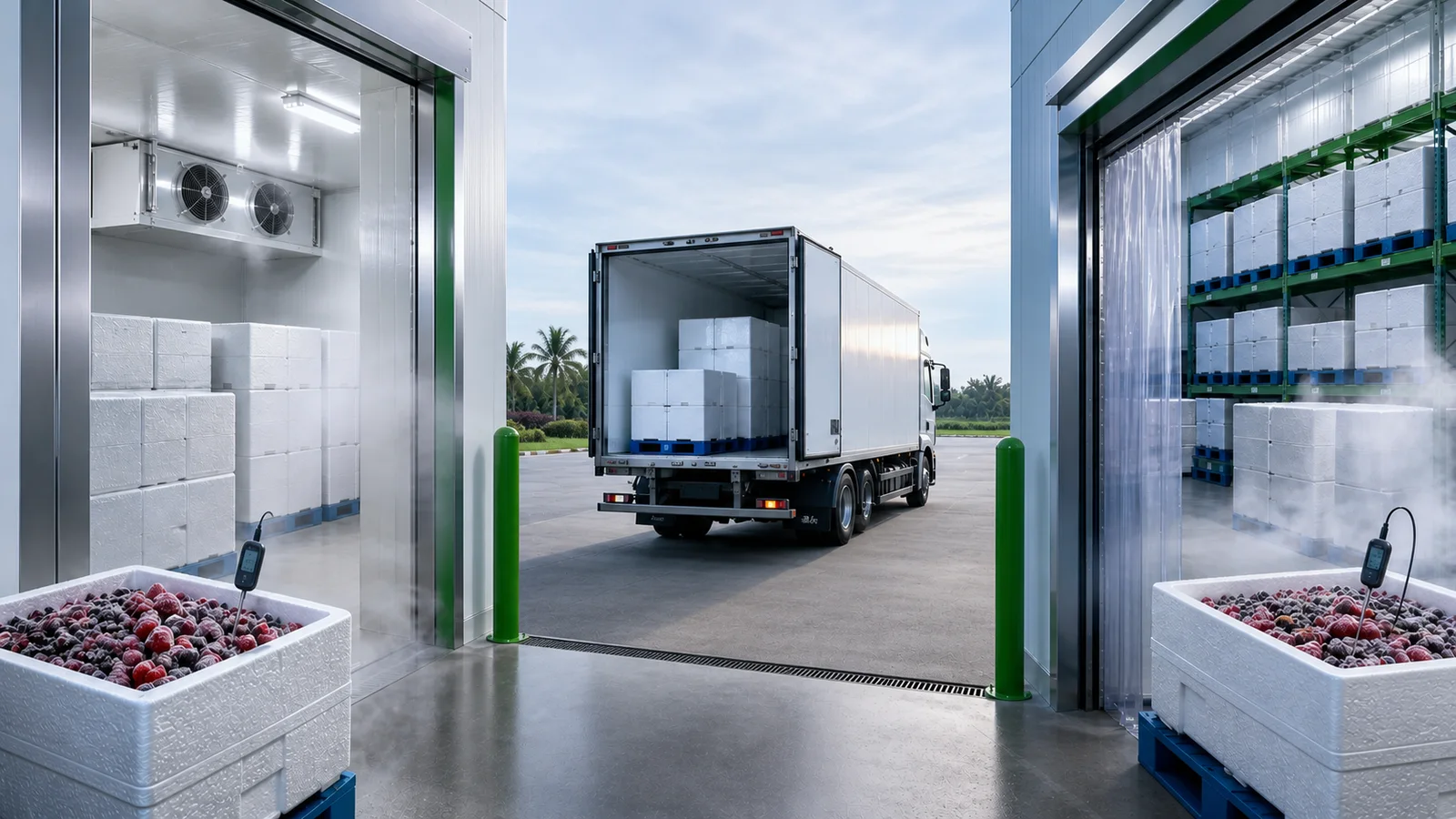
A frozen product moves through storage, loading, transport, receiving, and use. Failure at one handoff can affect temperature history, clumping, drip, texture, and the basis of shelf life. Every stage therefore needs an owner, limit, evidence, and escalation path.
Quick answer
Frozen-Food Cold Chain: Control Points from Supplier to User
Codex uses -18°C or colder as a common reference for quick-frozen foods, subject to applicable tolerances and context. A business still needs to set limits, measurement methods, acceptance rules, and deviation actions based on the product, regulation, and its own controlled procedures.
- 01Distinguish air, surface, and product temperature in the procedure.
- 02Control each handoff: who delivers, what is checked, and who decides a deviation.
- 03Lot traceability and temperature evidence should connect to shipment and receiving records.
Defining the end-to-end cold chain
The cold chain begins once product reaches its specified frozen condition and continues through storage, staging, loading, transport, unloading, receiving, and user storage. Open doors, dock delays, a vehicle that was not prepared, or packs left in a work area can add heat load.
Build a process map showing expected duration, temperature limit, equipment, monitoring point, and responsibility. The map reveals gaps between departments or companies—areas often missed when every party reviews only its own freezer.
What should actually be measured
Air temperature describes a room or vehicle but can change rapidly when a door opens. Surface temperature provides rapid pack screening, while product temperature is closer to material condition but requires a defined non-destructive method or sampling plan. Each data type answers a different question.
The procedure should define instrument, calibration, measurement location, stabilization, sample quantity, and acceptance. Do not compare an infrared surface check with a probe reading as if they were the same method. If screening is outside the limit, the procedure needs a follow-up assessment.
| Point | Evidence | Control question |
|---|---|---|
| Supplier storage | Logs and alarms | Was condition stable before dispatch? |
| Transport | Vehicle check and logger where used | Was exposure controlled in transit? |
| Receiving | Pack, seal, temperature, lot, time | Should the shipment be accepted or held? |
| User storage | Logs, stock rotation, door discipline | Is condition maintained until use? |
Receiving is a decision, not a formality
Before unloading, inspect vehicle condition, cleanliness, and shipment integrity under the procedure. Sampling should represent relevant positions rather than only the easiest carton to reach. Record lot, quantity, arrival and inspection time, pack condition, and temperature result.
For a deviation, place product on hold and protect it from further exposure while quality personnel assess evidence. Accept, conditional accept, or reject decisions need a clear risk assessment and authority. Returning a product to a freezer does not erase a temperature excursion.
Quality signs that need investigation
Heavy frost, ice layers, wet-then-frozen cartons, fused pieces, deformation, or excess drip can signal handling or temperature fluctuation, but they do not prove one cause. Use them to trigger investigation and connect observations with logger data, shipment records, and comparison samples.
A quality defect and food-safety hazard are not always the same. Product can lose texture without demonstrating a particular hazard, or look normal despite an uncontrolled history. Appearance cannot replace time-temperature evidence and a hazard-based decision.
Supplier agreement and contingency planning
Agree on storage condition, delivery window, vehicle requirement, temperature evidence, lot identification, seals, palletization, and notification of deviations. Define who retains records and for how long, then test whether information can be retrieved during a complaint or recall exercise.
A contingency plan should cover equipment failure, power outage, vehicle delay, rejected loads, and a full freezer. Contacts, alternate storage, product-hold space, and decision authority need to exist before the event. A resilient cold chain is prepared rather than improvised when an alarm occurs.
Primary references
These references support the educational framework. Product-specific and regulatory decisions still require current-document review by qualified personnel.
Related ingredients
Frozen Fruit
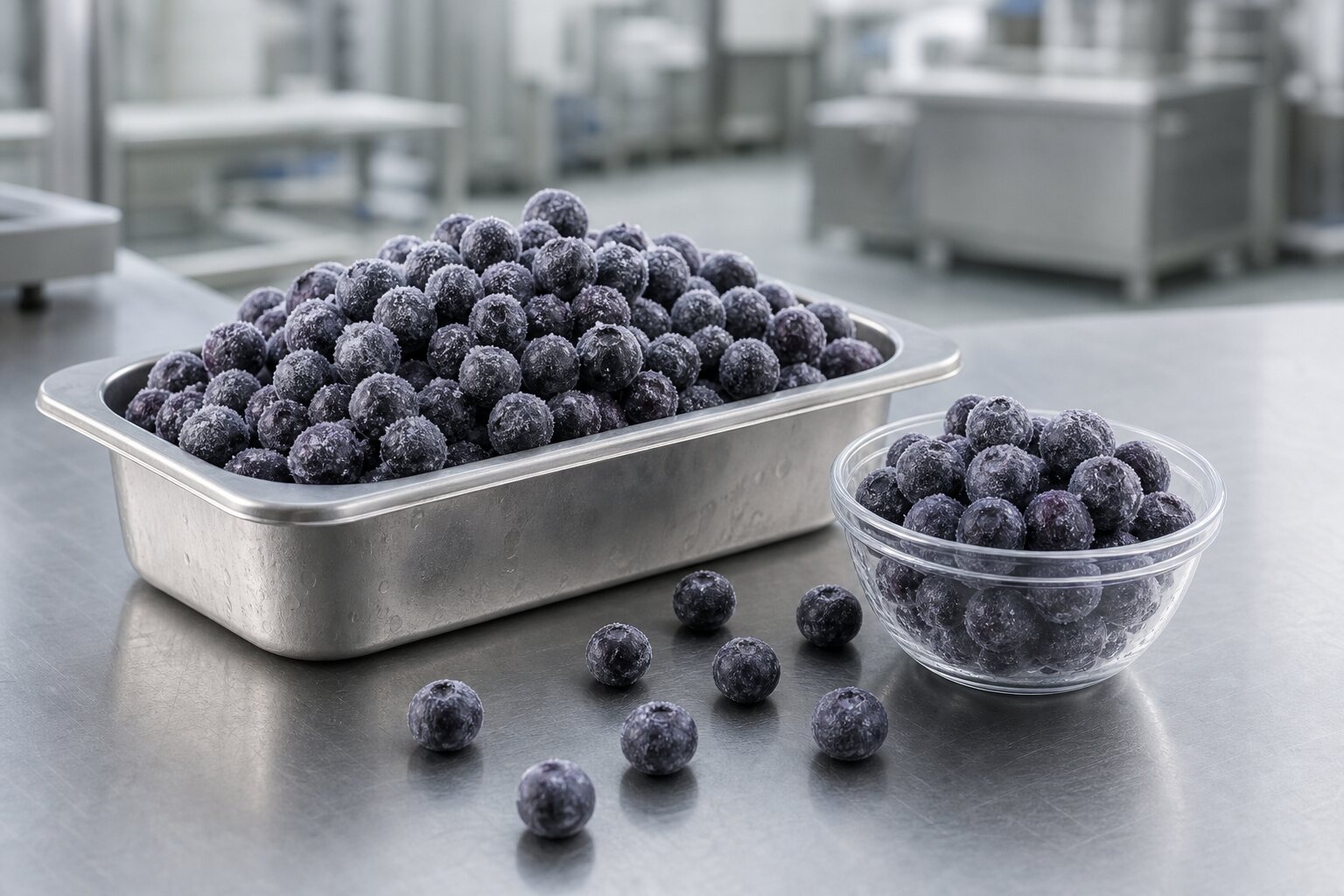
Frozen Blueberry
Frozen blueberry for hotel, cafe, bakery, dairy, dessert, and beverage use with application-led review of cold handling, thawing, liquid release, fruit integrity, yield, and workflow.
Frozen Fruit
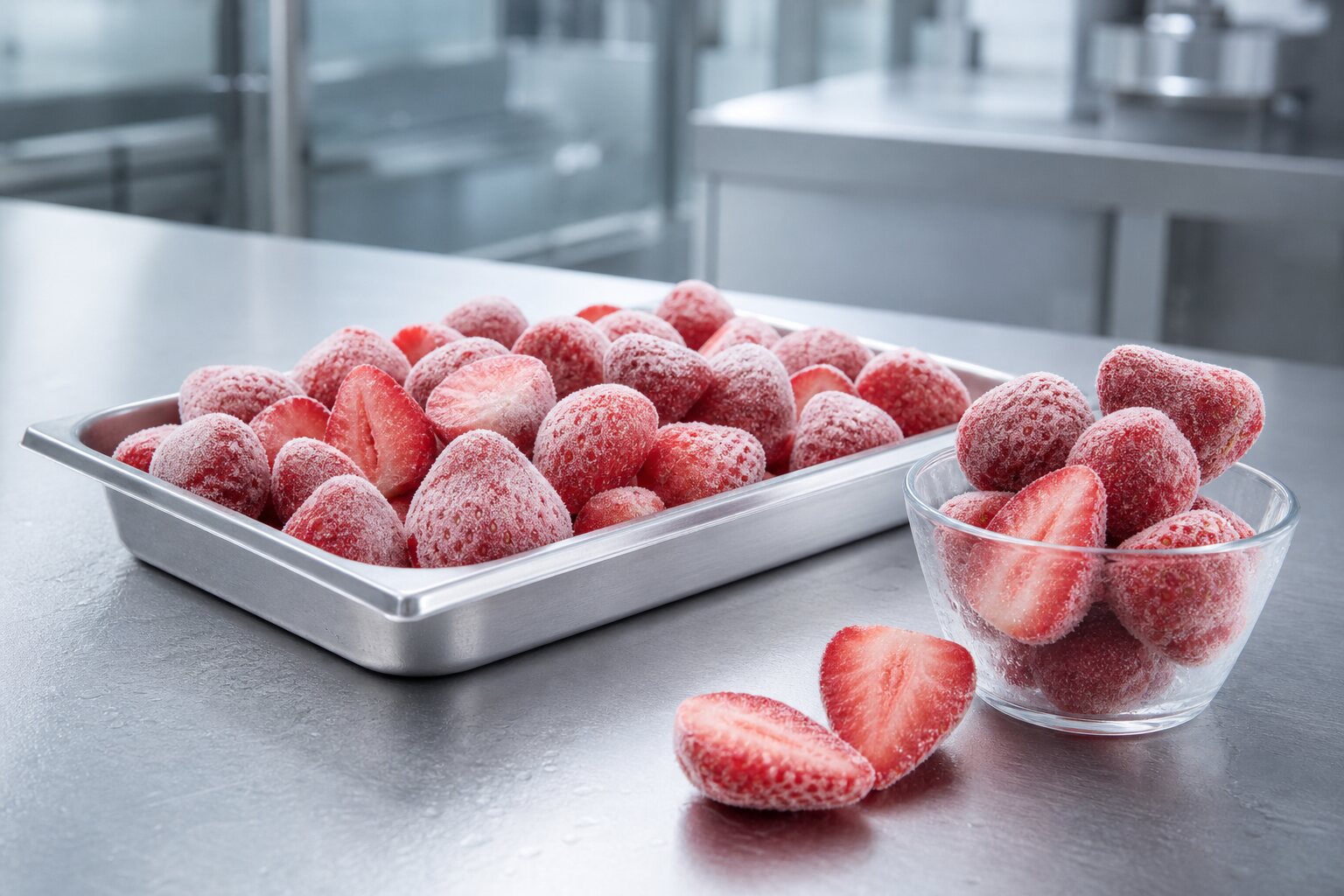
Frozen Strawberry
Frozen strawberry for hotel, beverage-chain, dessert, bakery, and central-kitchen use with application-led review of fruit format, thawing, liquid release, portioning, yield, and workflow.
Slicing & Chunky
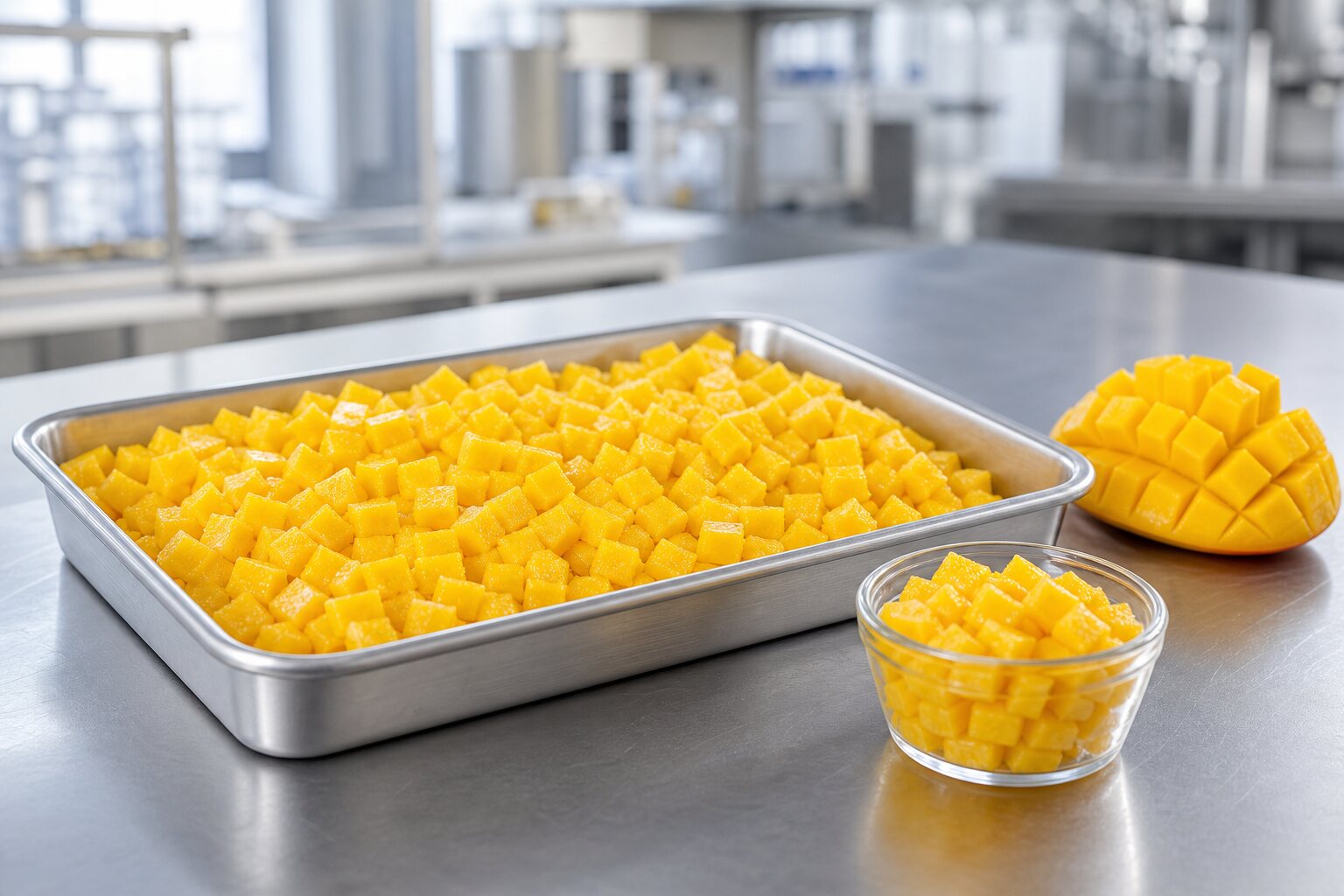
Mango Chunky
Mango chunky for hotel, cafe, beverage, dessert, bakery, topping, and filling use with application-led review of cut size, bite, piece integrity, portioning, yield, and costing.
Continue to sourcing guides
Frozen fruit for F&B operations
Frozen fruit for horeca, bakery, dairy, dessert, and F&B production. Practical for stock control and daily use in service or production.
Frozen fruit for cafes, hotels, and catering
Frozen fruit for cafes, hotels, catering, and dessert menus. Practical for daily service and easy to use across drinks, toppings, and desserts.
Keep learning
Related articles
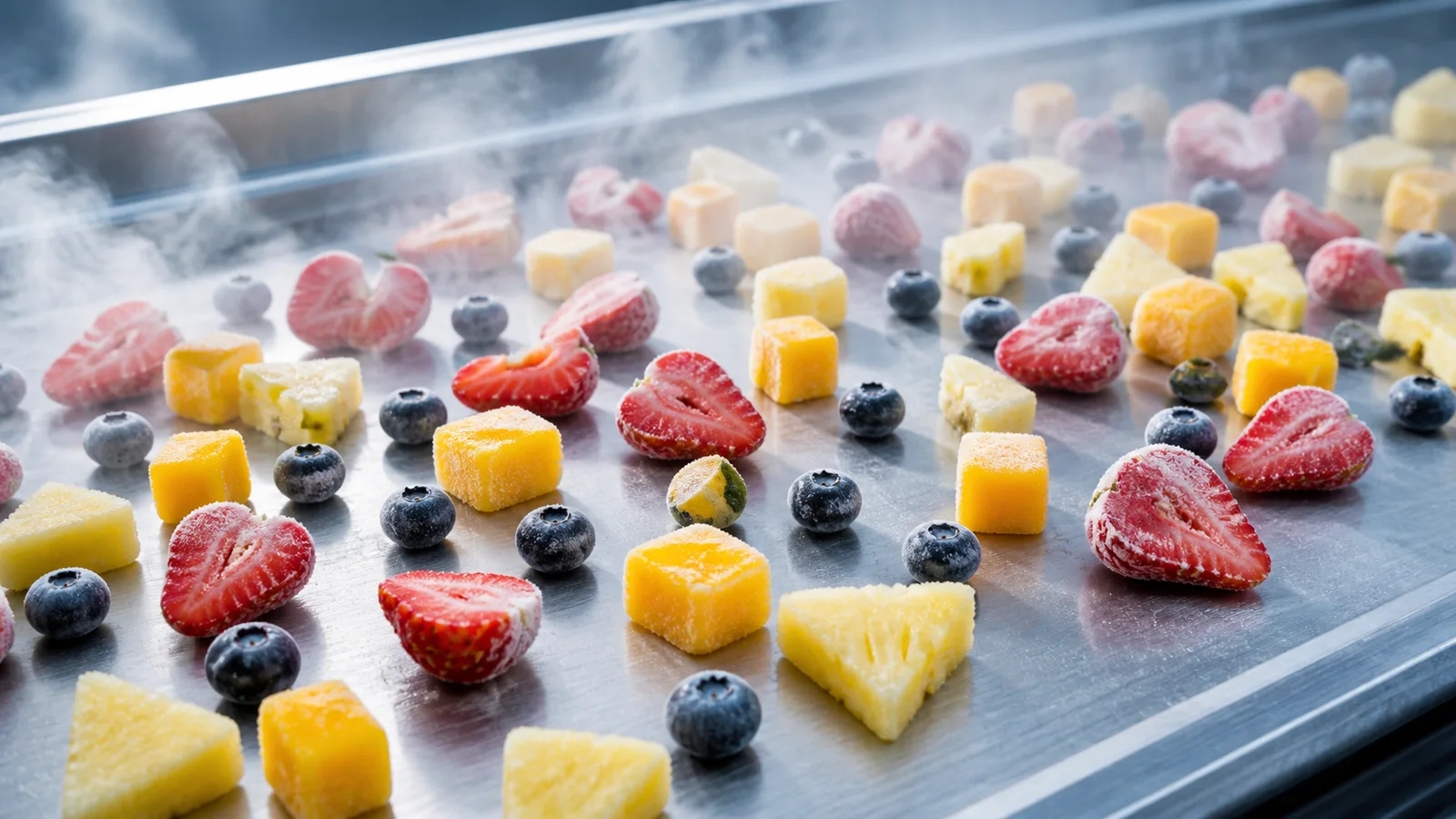
Frozen fruit
What is IQF, and what does it mean for a frozen-fruit user?
Understand Individually Quick Frozen fruit, piece separation, handling and quality implications, plus a practical sourcing checklist.
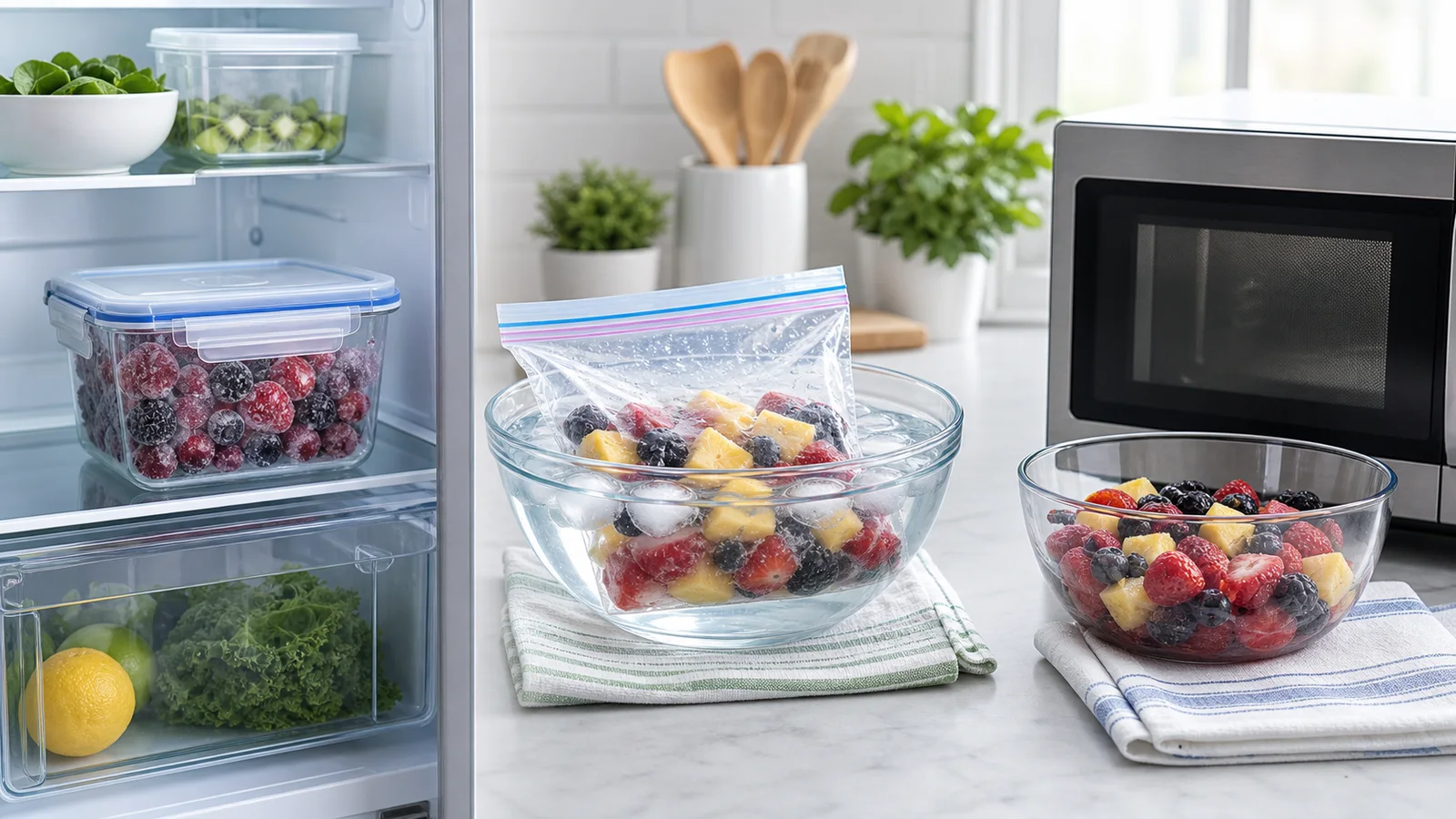
Food handling
How should frozen fruit be thawed safely?
A practical guide to refrigerator, cold-water, and microwave thawing for frozen fruit, including handling, use timing, and common mistakes.
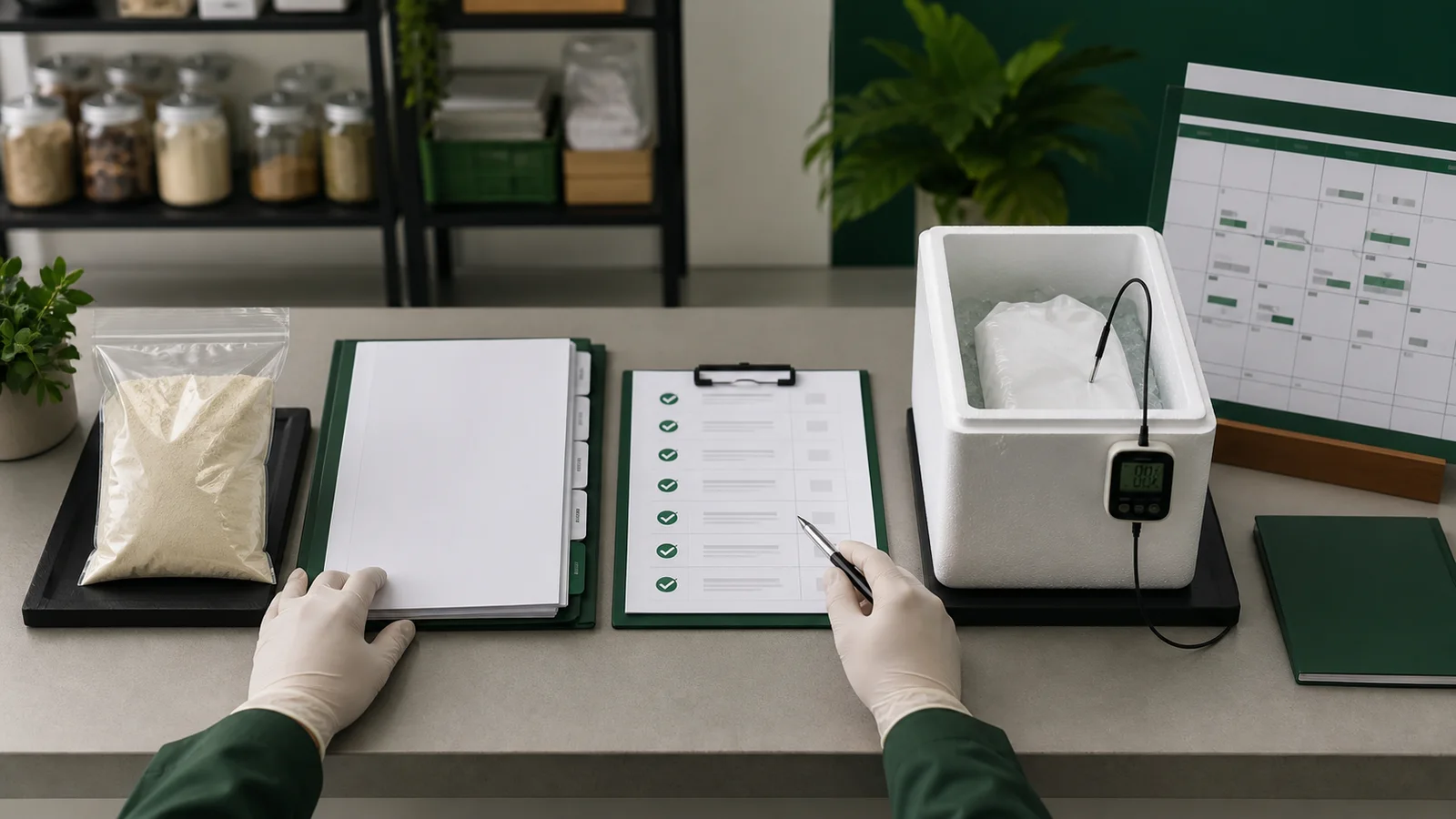
Procurement and supplier quality
Supplier evaluation should test fit, risk, and supply capability
A practical checklist for product fit, food safety, quality, supply, cold chain, traceability, commercial readiness, and ongoing performance.