01
Hotels & Food Service
For breakfast, dessert, pastry, sauce, and garnish operations that require workable thawing, portioning, preparation, and internal storage procedures.
Frozen strawberry needs to fit the way your team portions, thaws, blends, heats, and serves it. A useful review connects fruit format with yield, service speed, menu presentation, and cost per portion—not simply price per pack.
Your brief is reviewed by application, trial stage, volume indication, and vendor requirements.
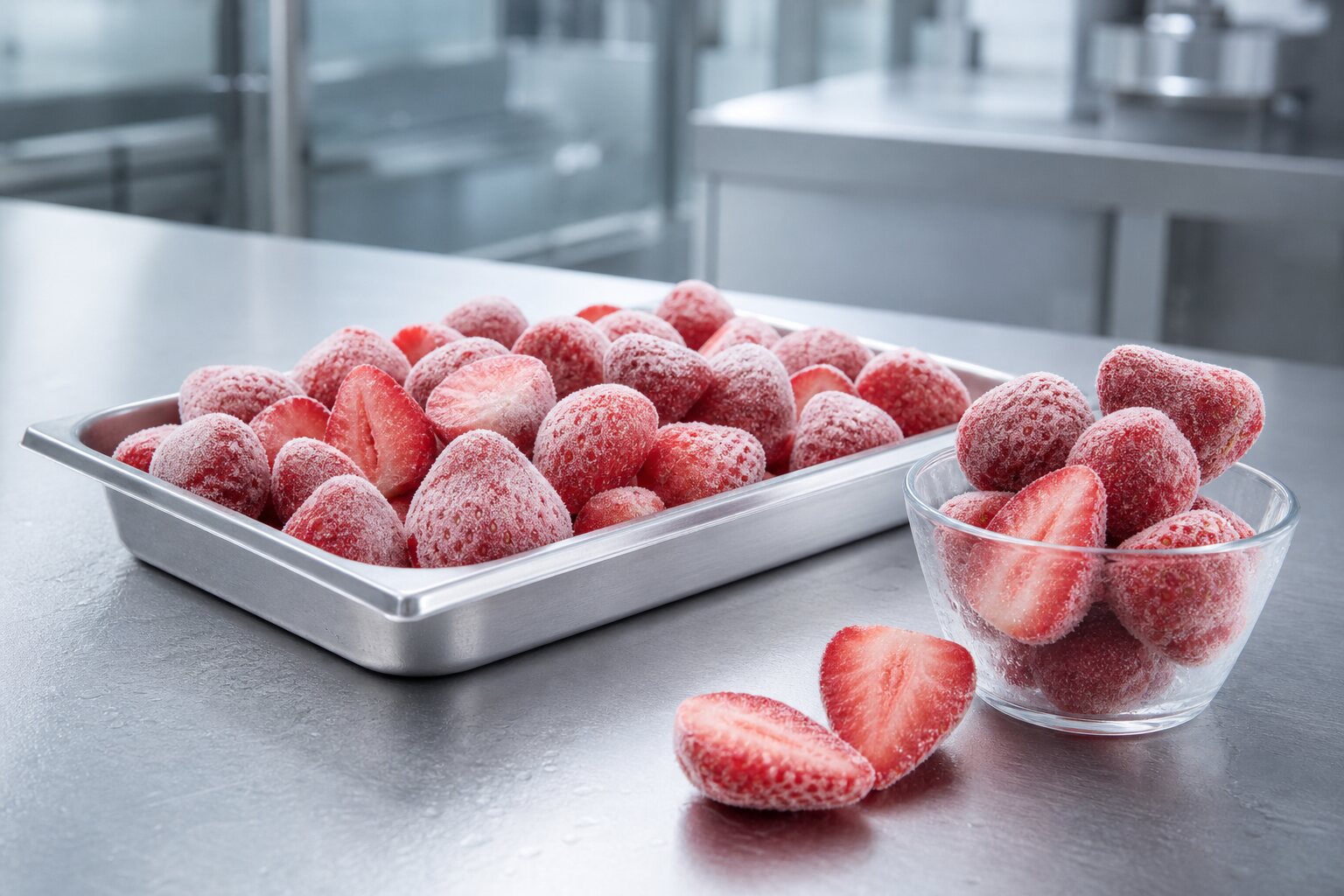
Representative ingredient visual; actual appearance may vary by specification and batch.
Supply Experience
Processed fruit ingredients since 2010
Facility Standards
ISO 9001 · ISO 22000 · HACCP
Buyer Support
Application, trial, and vendor review
Buyer Fit
Whole, cut, blended, and cooked applications require different outcomes. Start with the use format so chefs, R&D, operations, and procurement receive decision-ready trial data.
01
For breakfast, dessert, pastry, sauce, and garnish operations that require workable thawing, portioning, preparation, and internal storage procedures.
02
For smoothies, blended drinks, fruit teas, and toppings where service speed, blender results, dosage, and cross-outlet repeatability matter.
03
For fillings, compotes, cakes, and frozen desserts that assess fruit format, liquid release after thawing, heat impact, texture, and yield.
Define whether strawberry must remain visible, deliver flavour through blending, or become a prepared base. That function sets the format and trial criteria.
Test from the actual storage condition to review portioning, blender load, temperature, colour, flavour, texture, and recipe consistency.
Assess post-thaw appearance, liquid release, softness, serving size, and visual appeal over the service period.
Evaluate strawberry as an inclusion, filling, compote, or garnish through the relevant heat process and finished-product storage.
Review yield, preparation time, draining needs, cooking behaviour, and ease of standardisation for a central kitchen or multiple outlets.
Technical Evaluation
The trial should follow the intended SOP. Performance after thawing, blending, or cooking matters more than appearance straight from the freezer.
Define whole, cut, or blended use and the size that supports presentation, portioning, and the process.
Record thawing time, temperature, draining need, texture change, and released liquid under the planned operating method.
Calculate usable yield, weight per portion, waste, and handling time so supplier comparison reflects menu or batch cost.
For beverages, assess blender performance, seed or fibre distribution, colour, flavour, mouthfeel, and repeatability between preparations.
For sauces, compotes, and bakery, review fruit breakdown, flavour, colour, moisture, and texture after the actual process.
Test a procedure that different shifts and outlets can reproduce, including storage, batch prep, portioning, and internal use limits.
From Brief to Procurement
The goal is to identify technical and commercial gaps before they slow down supplier approval or production planning.
01
Map the finished product, process, sensory target, and decision criteria.
02
Align the sample request with the intended test and evaluation method.
03
Review volume indication, packaging needs, supply pattern, and project timing.
04
Coordinate the documents or audit steps required by procurement and QA.
Commercial Readiness
Operating context supports a relevant trial and prevents comparison from being reduced to pack format or headline price.
Share the recipe, role of the strawberry, presentation target, serving temperature, and whether the fruit is whole, cut, blended, or cooked.
Explain freezer setup, thawing, draining, batch preparation, portioning, internal holding time, and service pattern.
Set fruit integrity, softness, released liquid, flavour, colour, yield, waste, preparation speed, and portion cost as decision data.
Provide outlet count or indicative volume, order frequency, point of use, timeline, and procurement document needs.
Questions buying and product-development teams commonly raise before a trial or commercial review.
Begin with its role in the finished product. A topping may prioritise fruit integrity, a beverage needs blending and portioning data, while sauce or filling applications review breakdown, yield, and heat processing.
Post-thaw liquid can affect topping appearance, bakery moisture, sauce consistency, usable yield, and costing. The thawing and draining method therefore needs to be consistent.
Test freezer-to-cup portioning, blender load, preparation time, colour, flavour, texture, yield, and whether different outlets can reproduce the recipe.
Compare usable yield, portion weight, waste, handling time, storage needs, and performance in the menu or batch. Pack price is only one part of the decision.
Include the menu or product, use method, fruit-integrity or texture target, thawing SOP, trial method, project stage, and indicative need if approved.
Yes. Explain receiving, storage, internal distribution, points of use, and the documents or audit requirements of procurement and QA.
Compare other fruit formats against your formulation or service workflow.
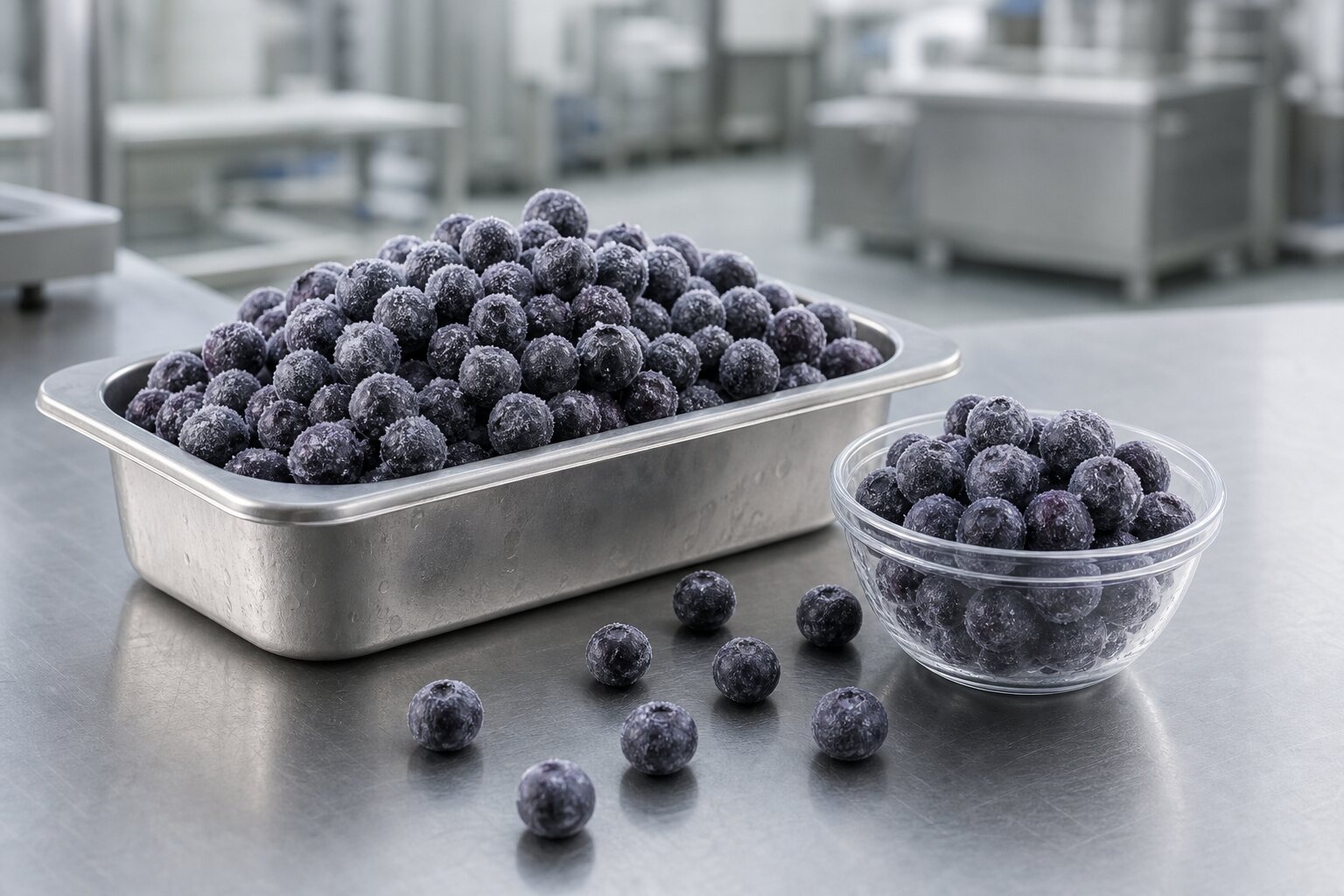
Frozen blueberry for hotel, cafe, bakery, dairy, dessert, and beverage use with application-led review of cold handling, thawing, liquid release, fruit integrity, yield, and workflow.
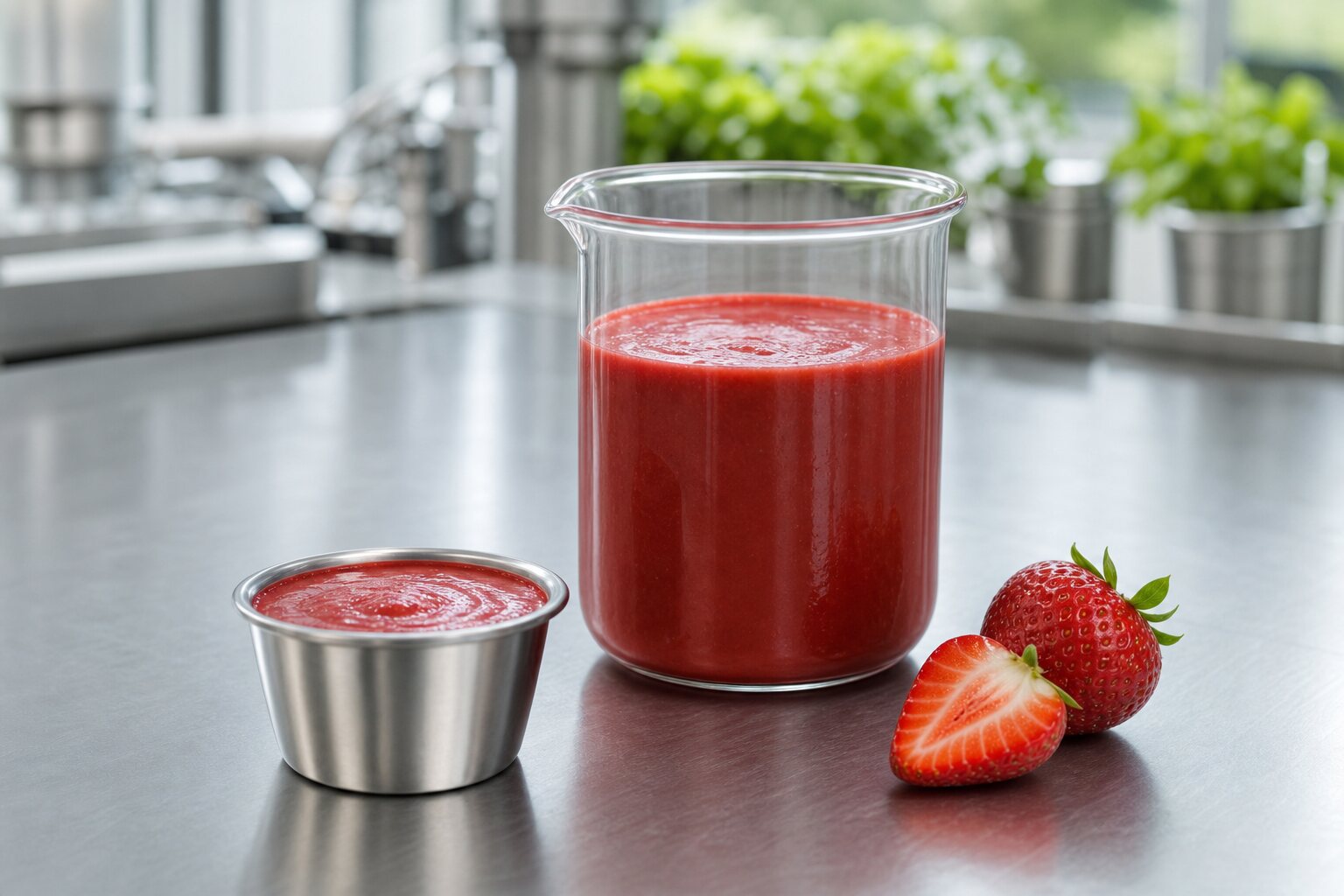
Strawberry puree for dairy, ice cream, dessert, bakery, and beverage development with application-led review of colour, aroma, acidity, texture, and process.
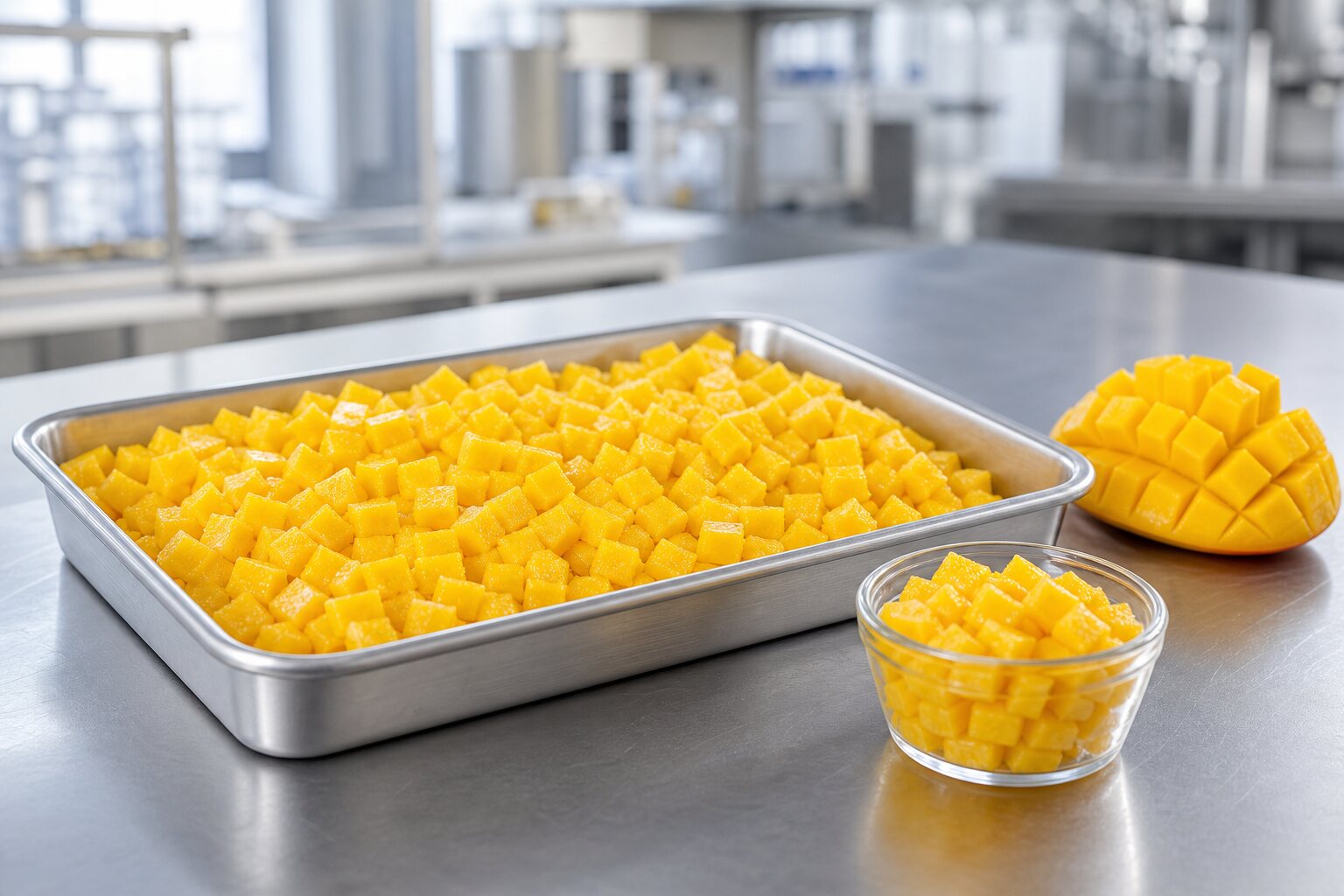
Mango chunky for hotel, cafe, beverage, dessert, bakery, topping, and filling use with application-led review of cut size, bite, piece integrity, portioning, yield, and costing.
Continue with application and supplier-evaluation guidance relevant to this ingredient.
Frozen fruit for horeca, bakery, dairy, dessert, and F&B production. Practical for stock control and daily use in service or production.
Vendor audit ready supplier for F&B ingredients, with samples, product information, and supporting documents for internal supplier checks.
Frozen fruit for cafes, hotels, catering, and dessert menus. Practical for daily service and easy to use across drinks, toppings, and desserts.
Frozen fruit for smoothies, juice bars, cafes, hotels, and beverage chains that need practical fruit stock, easier portion control, and consistent menus.
Knowledge Base
Use these educational guides to build a clearer ingredient and quality brief.
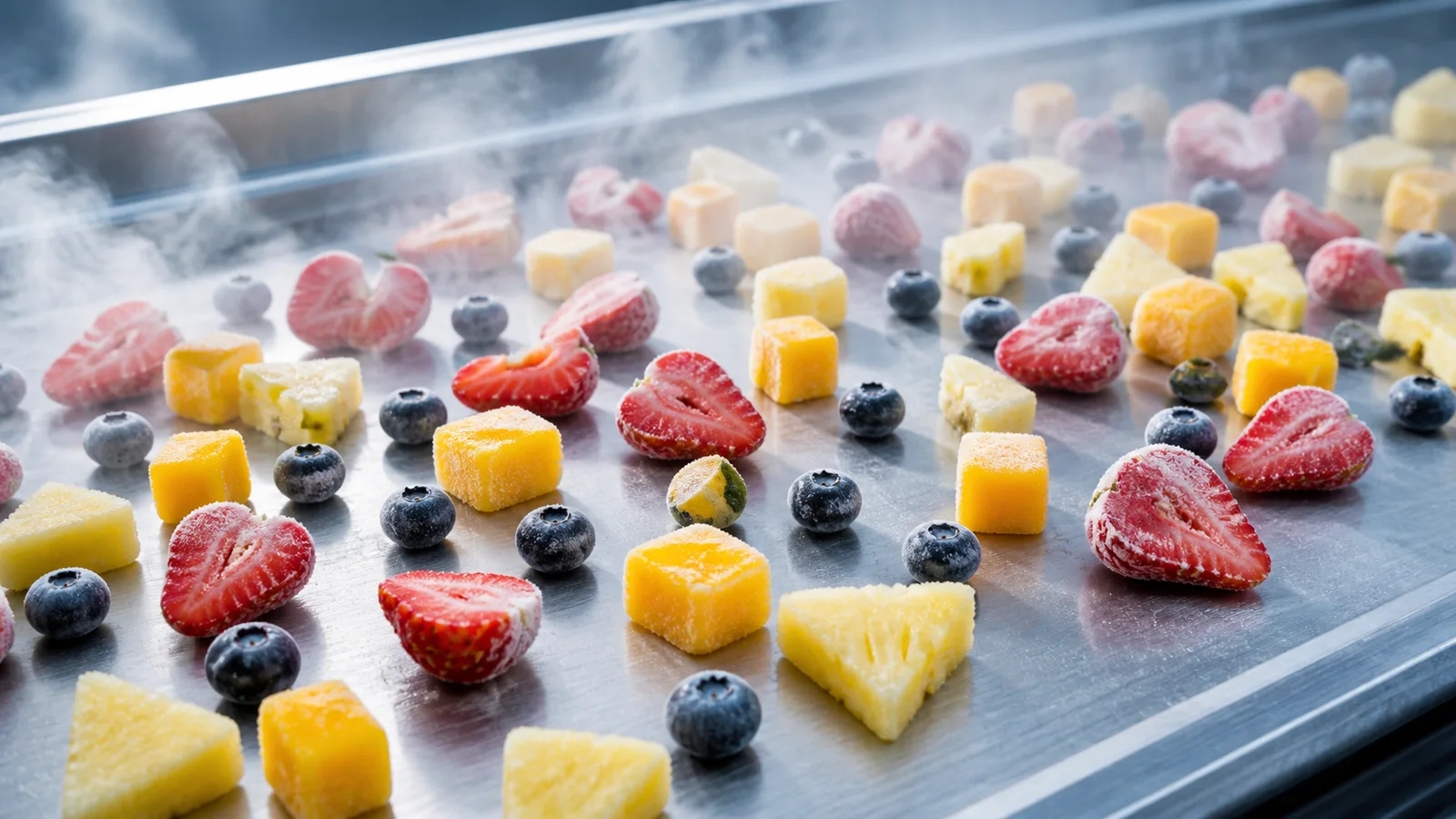
Frozen fruit
Understand Individually Quick Frozen fruit, piece separation, handling and quality implications, plus a practical sourcing checklist.
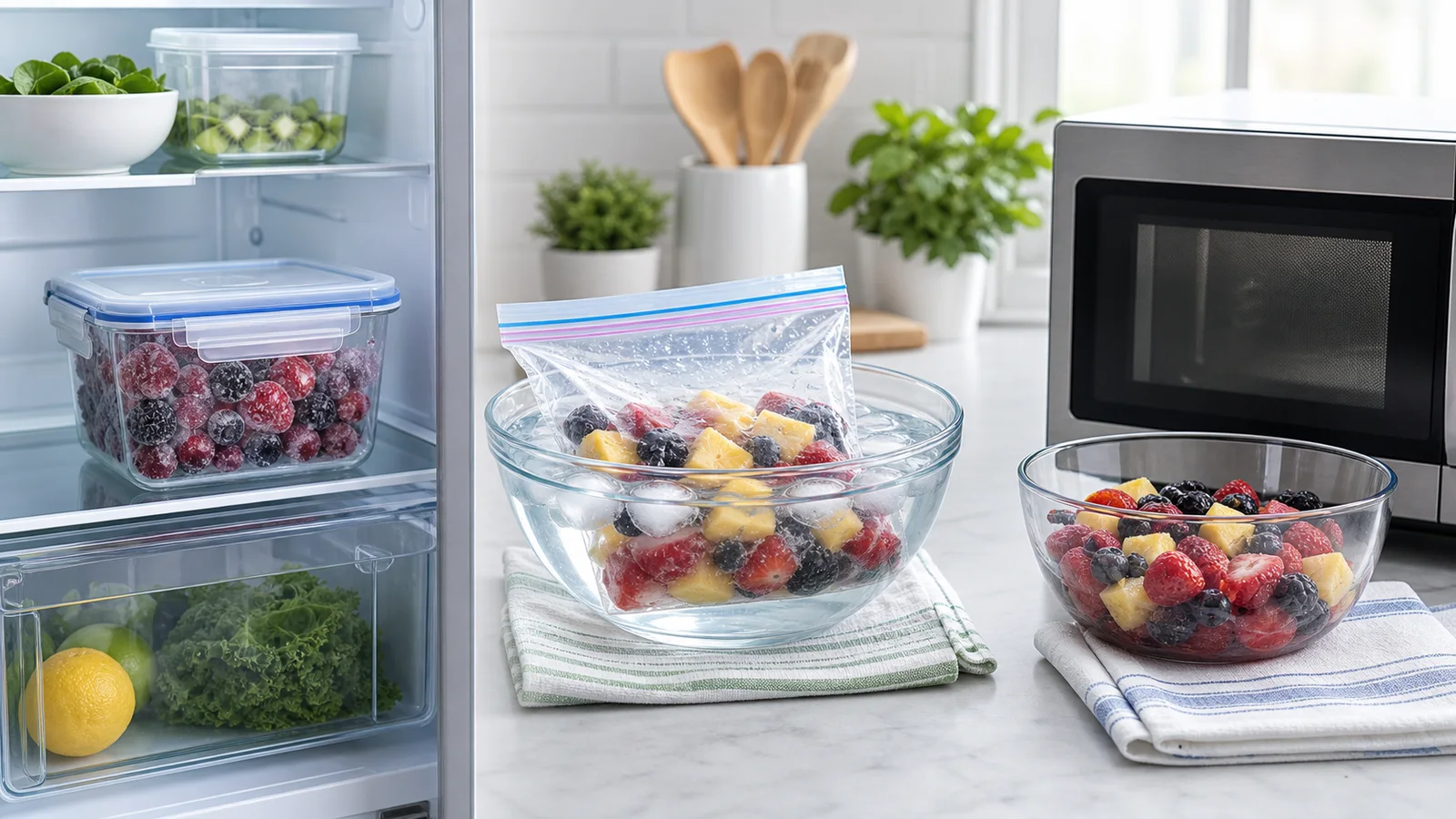
Food handling
A practical guide to refrigerator, cold-water, and microwave thawing for frozen fruit, including handling, use timing, and common mistakes.
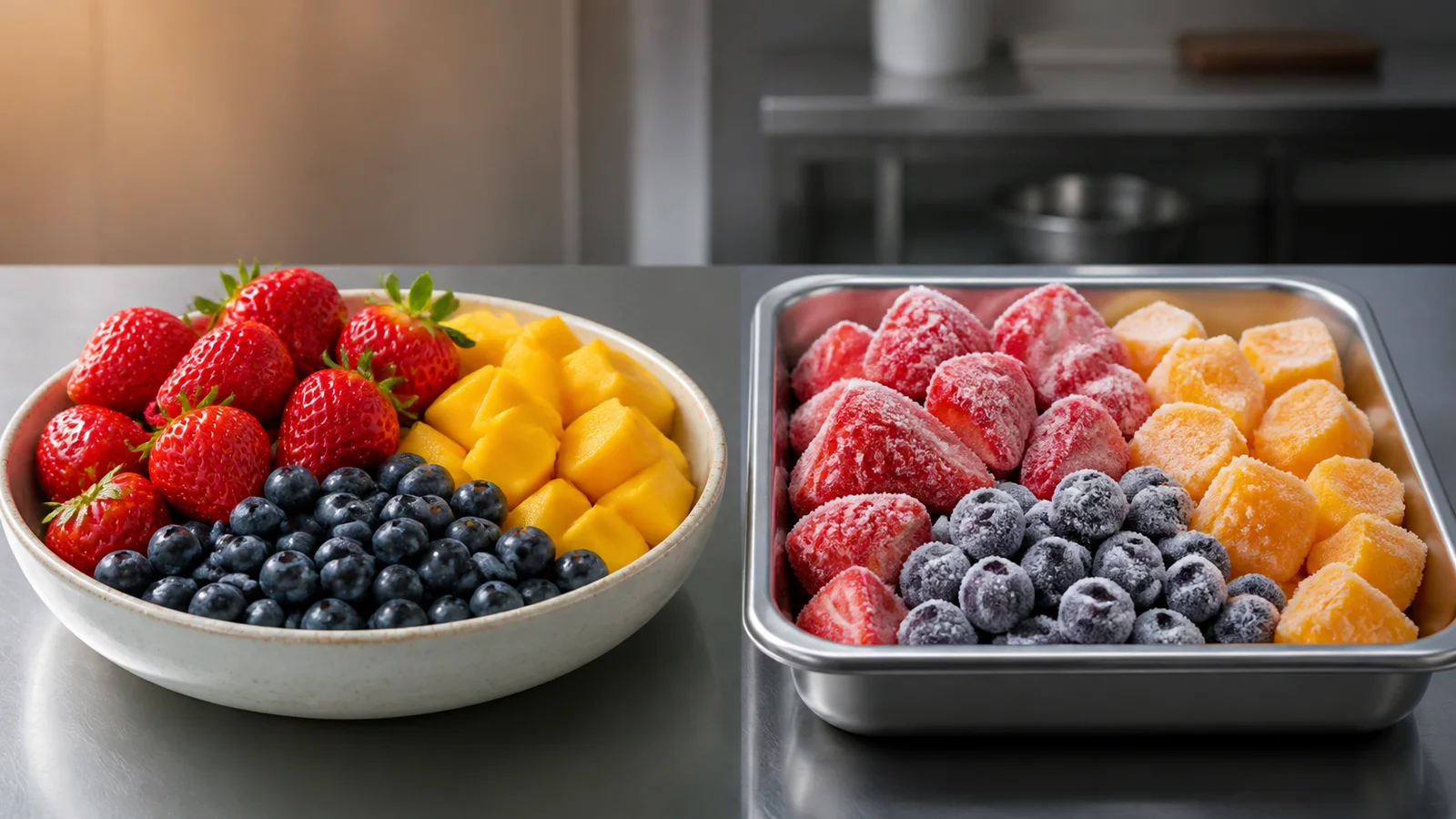
Ingredient selection
Compare frozen and fresh fruit across texture, availability, yield, storage, handling, and consistency to select the right format by application.
Share the menu, fruit format, thawing SOP, yield target, and operating scale so the trial produces useful data for operations and procurement.
Interested in acquiring tsamarot.com? Contact us on WhatsApp for more information.
Contact via WhatsApp