01
Beverage R&D
For juice drink, nectar, RTD, and smoothie teams evaluating guava intensity, body, acidity, and dosage after the puree is combined with the rest of the formula.
When guava character fades after dilution or disappears behind other ingredients, the finished product loses its point of difference. Tsamarot frames Guava Puree discussions around flavour delivery, body, mouthfeel, and mixing behaviour so your trial starts with the finished product—not a generic specification sheet.
Your brief is reviewed by application, trial stage, volume indication, and vendor requirements.
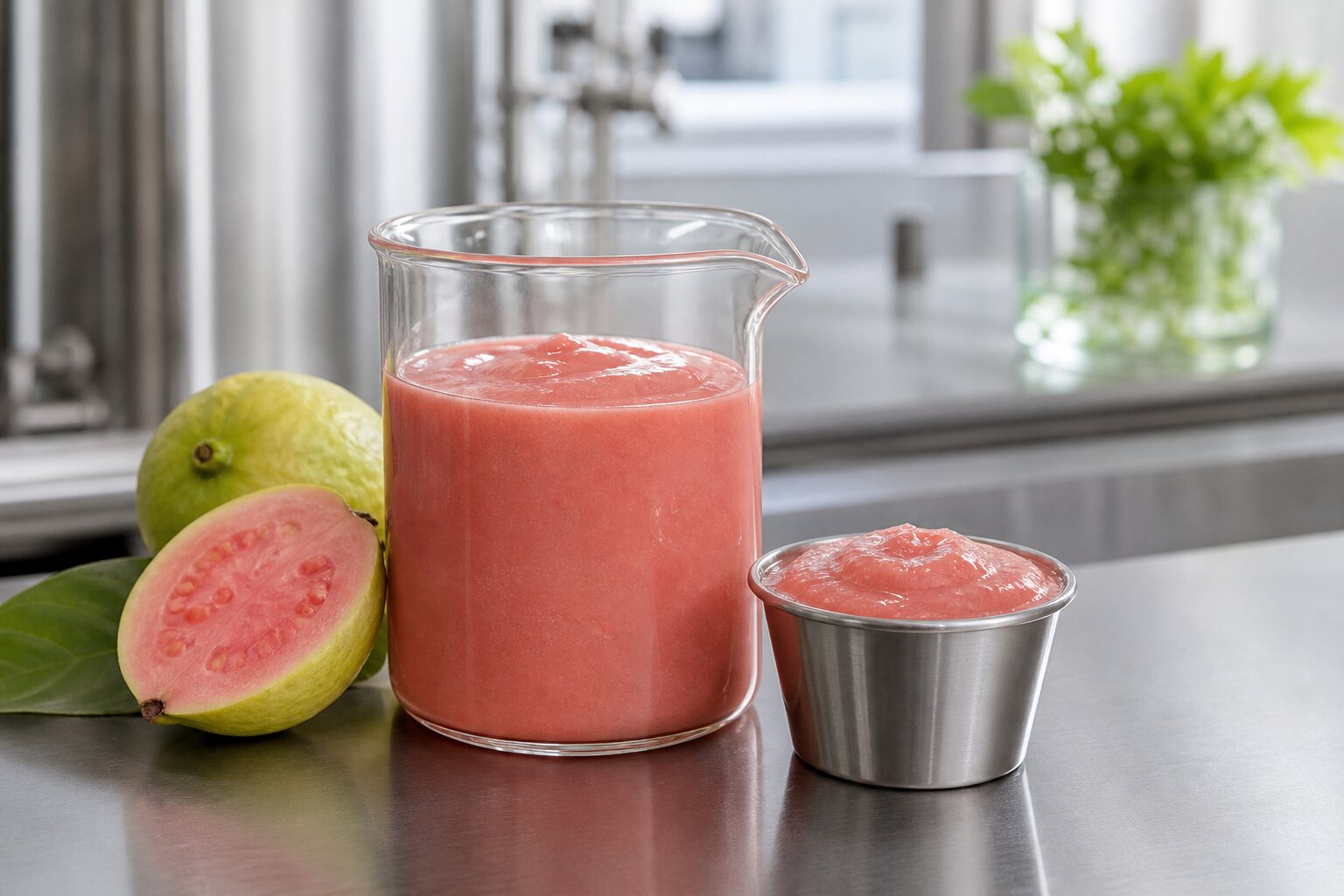
Representative ingredient visual; actual appearance may vary by specification and batch.
Supply Experience
Processed fruit ingredients since 2010
Facility Standards
ISO 9001 · ISO 22000 · HACCP
Buyer Support
Application, trial, and vendor review
Buyer Fit
This is a relevant sourcing conversation when a decision must account for processing behaviour, panel acceptance, vendor readiness, and supply planning as well as the first sensory impression.
01
For juice drink, nectar, RTD, and smoothie teams evaluating guava intensity, body, acidity, and dosage after the puree is combined with the rest of the formula.
02
For drinking yoghurt, frozen dessert, filling, or topping projects where the puree must be assessed with dairy bases, sugar, starches, and the intended heat process.
03
For buyers who need to connect trial results with packaging needs, indicative volume, documentation, and the internal supplier-approval route.
Guava puree performs a different job in every application. Define whether it needs to deliver flavour, body, colour, or fruit identity before setting the trial criteria.
Evaluate the puree after the intended dilution and process to see whether guava character, body, and sweet-tart balance meet the finished-product target.
Test it in the actual base to review fruit intensity, mouthfeel, flavour shifts, and its interaction with cultures or other dairy components.
Use a trial to assess flavour and texture contribution in fillings, sauces, cake layers, or desserts that involve heat and thickening systems.
For central kitchens and beverage chains, evaluation can include portioning, mixing, service consistency, and the operating needs of multiple outlets.
Technical Evaluation
Parameters should follow your application and process. A beverage, dairy base, bakery filling, and food-service recipe will not share one universal target.
Judge guava character at the intended use level rather than in the neat puree so dosage can be considered alongside flavour delivery and formula cost.
Decide whether the puree is expected to carry fruit identity, add body, or do both, then compare the result in the finished matrix.
Brix, acidity, and sweetness are formulation review points. The required direction should be confirmed against the product profile you want to create.
Review addition order, homogeneity, and compatibility with the other ingredients in the actual process or a representative pilot setup.
If the formula is heated, chilled, or stored, include those stages in the trial protocol to observe relevant sensory and texture changes.
Agree who will assess the trial, what will be recorded, and which conditions must be met before the project moves to commercial review.
From Brief to Procurement
The goal is to identify technical and commercial gaps before they slow down supplier approval or production planning.
01
Map the finished product, process, sensory target, and decision criteria.
02
Align the sample request with the intended test and evaluation method.
03
Review volume indication, packaging needs, supply pattern, and project timing.
04
Coordinate the documents or audit steps required by procurement and QA.
Commercial Readiness
The following context helps Tsamarot guide the discussion without assuming a specification, pack format, or supply pattern that has not been agreed.
Share the beverage, dairy, bakery, or dessert format; heat steps; mixing system; and storage conditions included in the trial.
Describe the required guava flavour, body, mouthfeel, colour, and acidity, including whether it is the lead fruit or part of a blend.
Clarify whether the project is at concept, bench trial, supplier comparison, scale-up, or procurement for an existing production line.
Provide indicative volume, packaging needs, usage pattern, timeline, and the vendor documents your team expects to review.
Questions buying and product-development teams commonly raise before a trial or commercial review.
Test it at the intended use level and through a process representative of commercial production. Compare guava intensity, body, acidity, mouthfeel, and any relevant change after heating or storage.
Yes, as part of the application brief. The required values need to be connected to your formula, process, sensory objective, and internal evaluation method.
Share the application, trial objective, project stage, evaluation criteria, and an indicative requirement if the project proceeds. This gives the team enough context to review the sample request.
Use the actual base and relevant process steps. In dairy, review interaction with the base and acidity; in a filling, assess flavour, body, heating behaviour, and final texture.
ISO 9001, ISO 22000, and HACCP are standards supported by Tsamarot's production facility and systems. Product- or vendor-specific documentation should be confirmed during review.
The finished product, indicative volume, packaging need, project stage, timing, point of use, and QA or audit requirements help frame a more focused commercial discussion.
Compare other fruit formats against your formulation or service workflow.
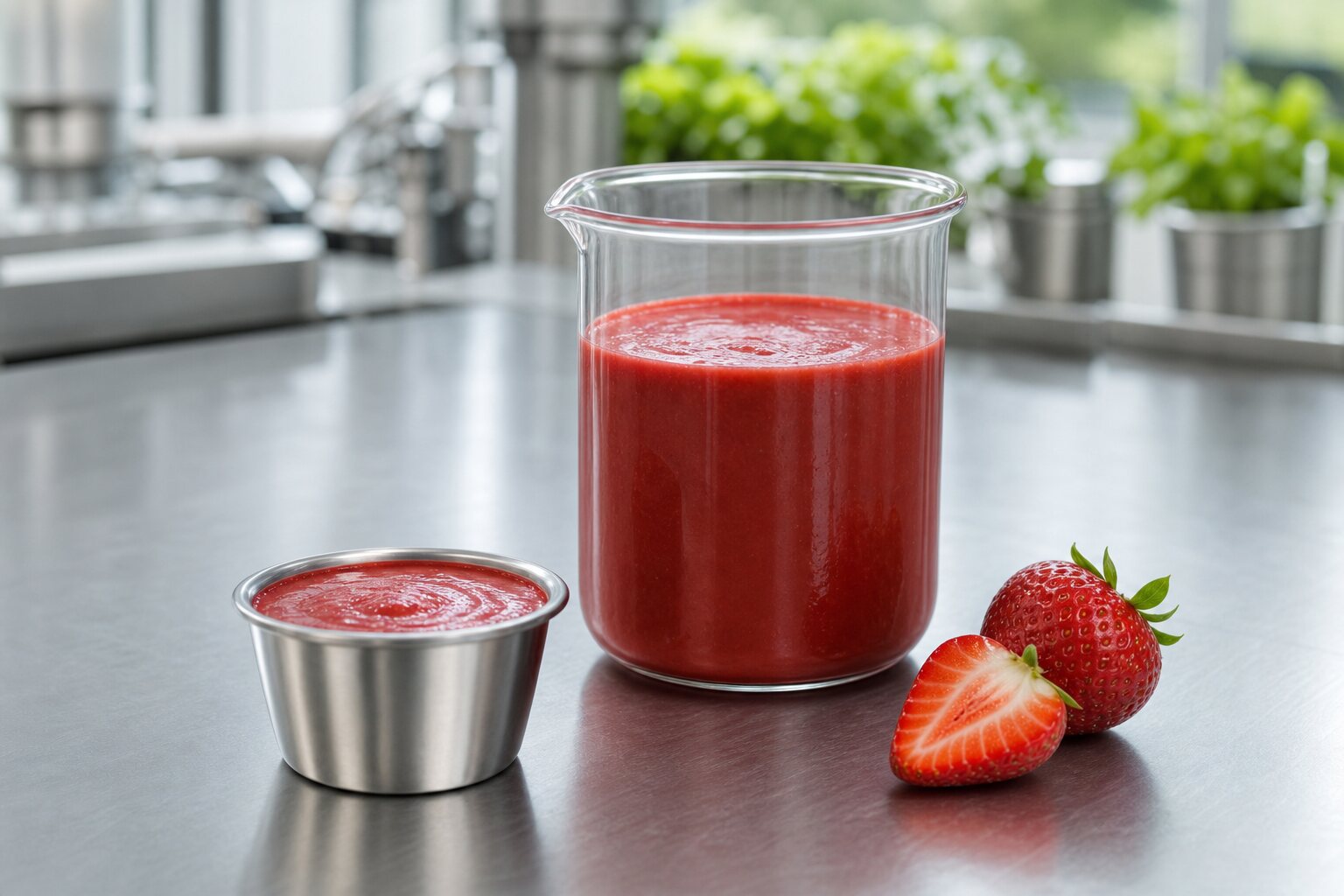
Strawberry puree for dairy, ice cream, dessert, bakery, and beverage development with application-led review of colour, aroma, acidity, texture, and process.
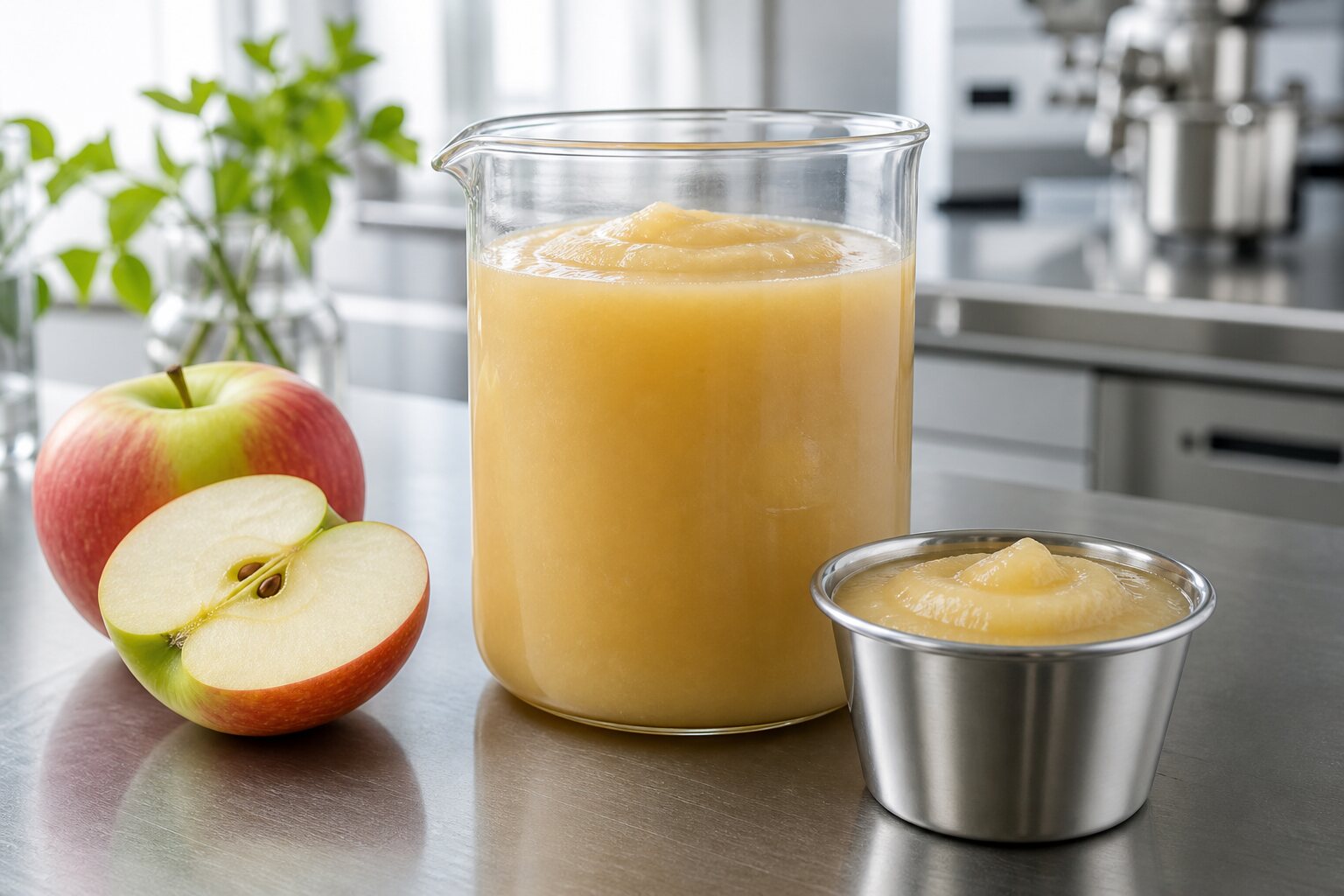
Apple puree for beverage, dairy, bakery, sauce, and fruit-blend development with application-led review of fruit base, body, mouthfeel, blendability, process, and vendor needs.
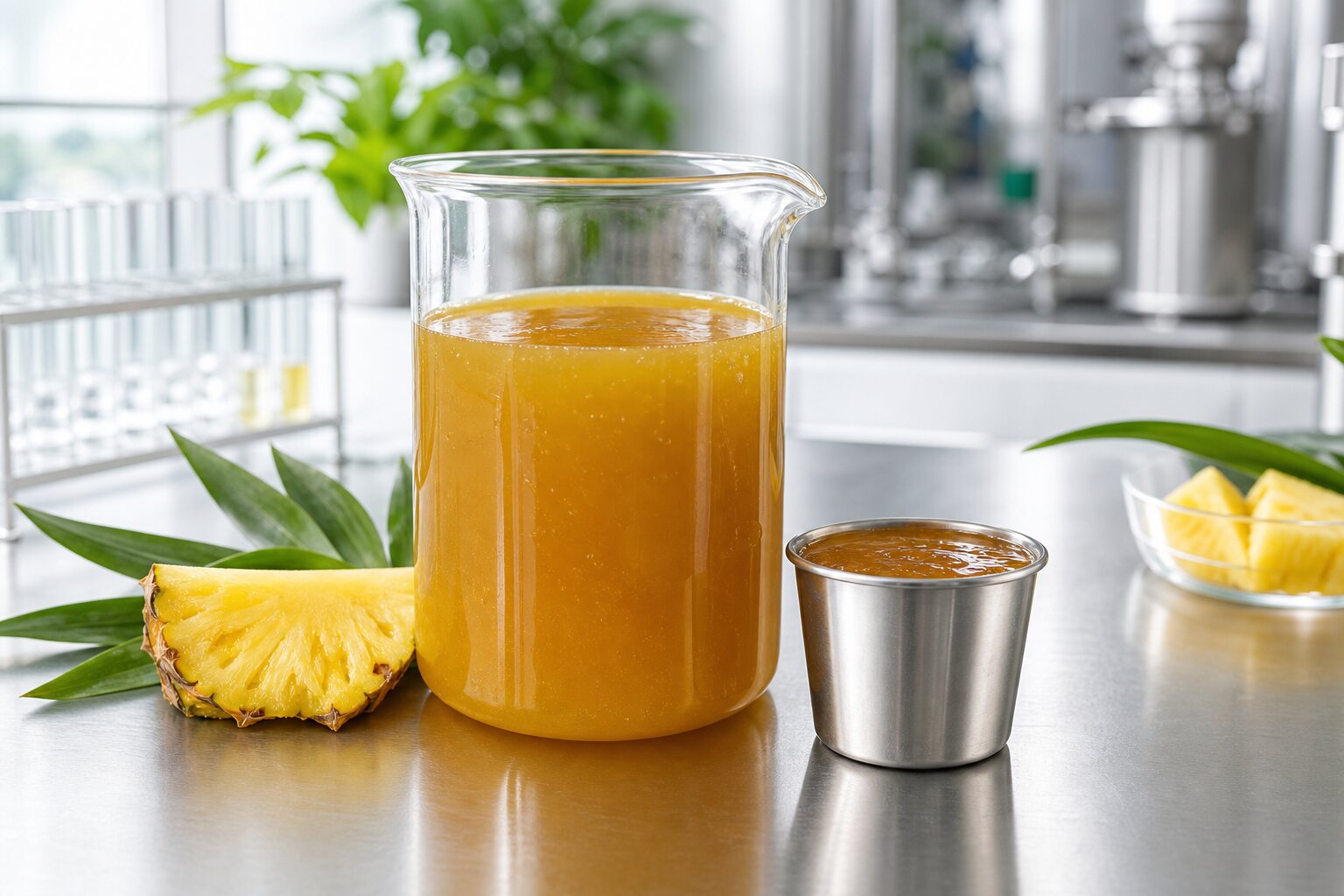
Pineapple concentrate for beverage, sauce, dressing, glaze, bakery, and fruit-blend development with application-led review of dosage, sweet-tart balance, process, and formula efficiency.
Continue with application and supplier-evaluation guidance relevant to this ingredient.
Fruit puree for beverage, dairy, bakery, dessert, and food service production, including guava and strawberry puree for commercial F&B products.
F&B ingredient supplier with ISO 22000 and HACCP standards, offering puree, concentrate, and frozen fruit for food and beverage production.
Vendor audit ready supplier for F&B ingredients, with samples, product information, and supporting documents for internal supplier checks.
Fruit puree for beverage products such as juice drinks, smoothies, nectars, and RTD drinks. Helps bring real fruit taste, color, and texture into the recipe.
Knowledge Base
Use these educational guides to build a clearer ingredient and quality brief.
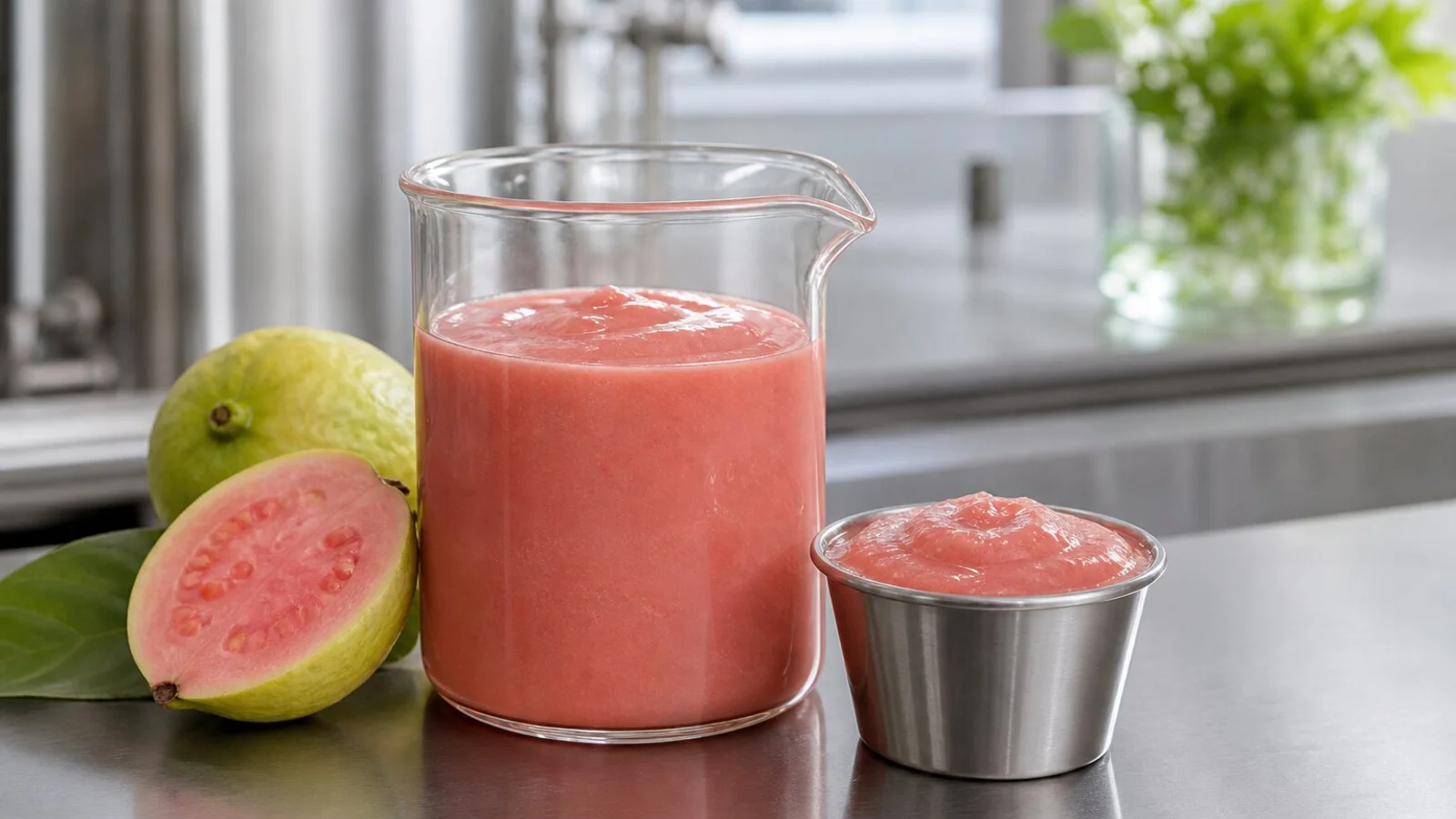
Fruit ingredient fundamentals
Learn how fruit puree differs from juice, pulp, and concentrate, plus the checks R&D and procurement teams should make before formulation trials.
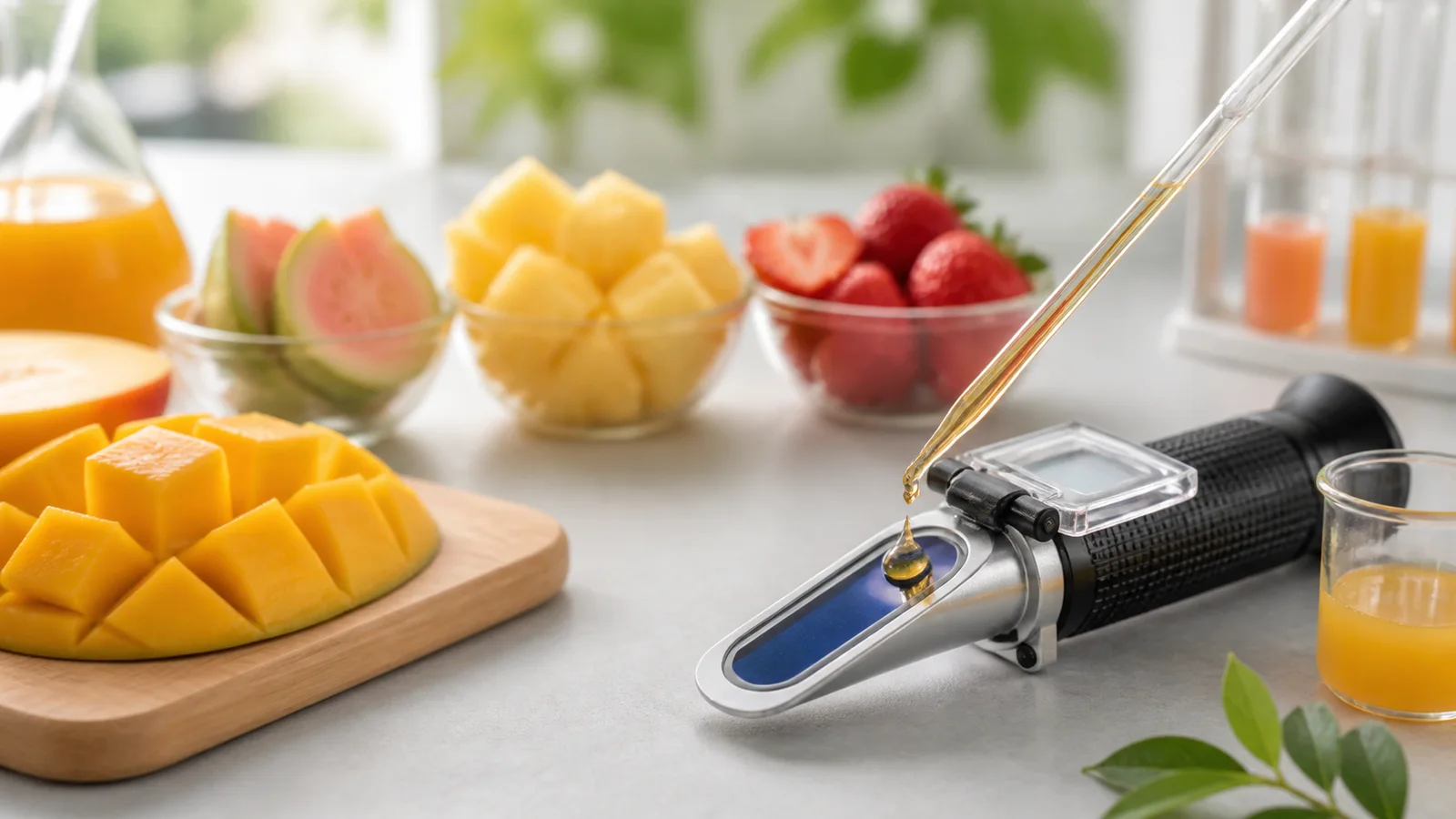
Quality control
Understand degrees Brix, refractometer use, temperature and matrix effects, and why Brix is not always an exact measure of sugar content.
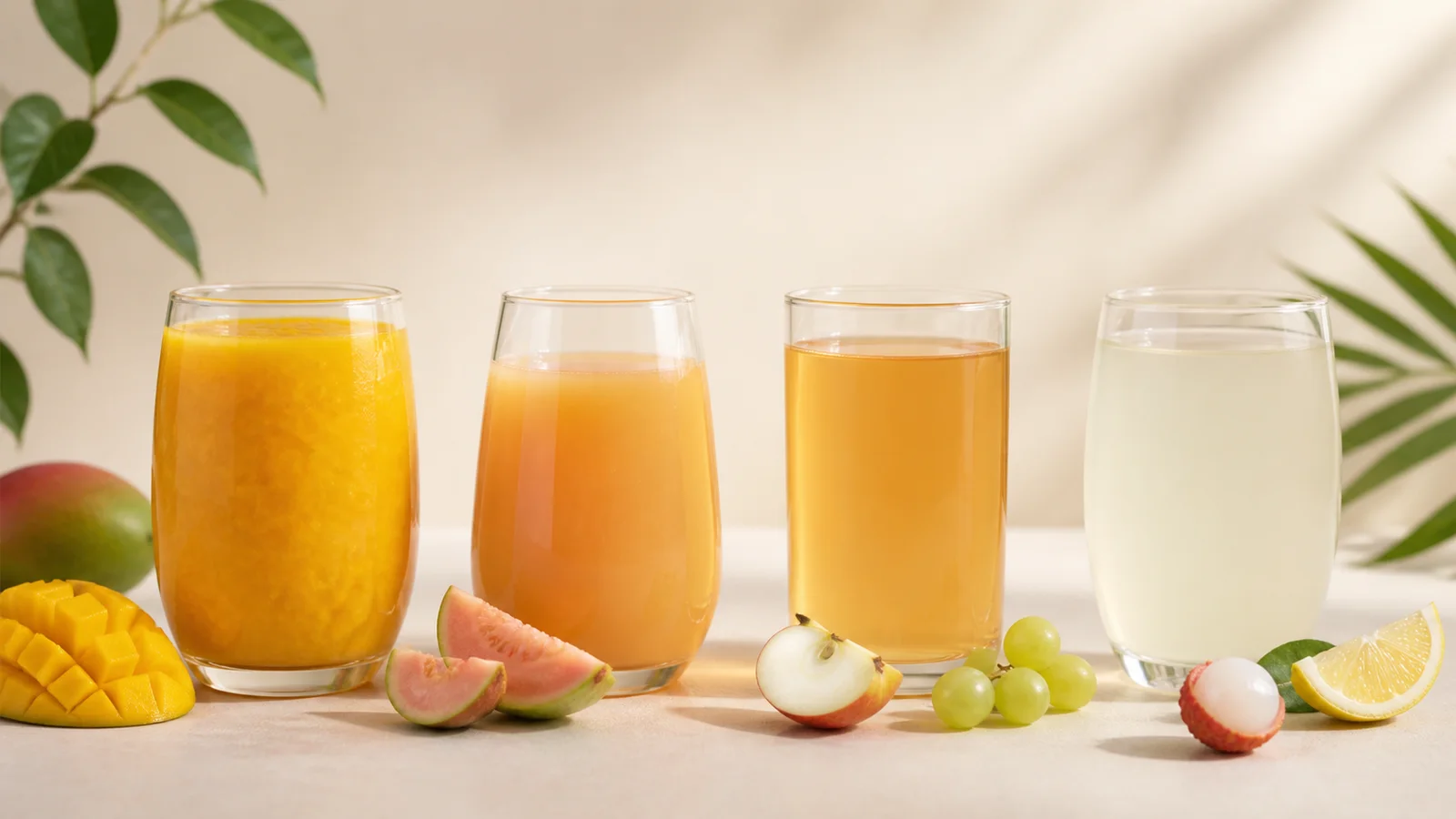
Regulation and formulation
A practical starting guide to juice, nectar, juice drink, and fruit-flavored beverage categories in Indonesia before formula and label approval.
Share the flavour target, body, process, and project stage. Tsamarot will review the application before discussing a sample or commercial proposal.
Interested in acquiring tsamarot.com? Contact us on WhatsApp for more information.
Contact via WhatsApp